What Are the Primary Signs You Need Root Canal Care?

Common signs that indicate you may need endodontic care include persistent tooth pain, prolonged sensitivity to heat or cold, localized gum swelling, tenderness when chewing, and visible tooth discoloration. These symptoms typically emerge when deep bacterial decay or physical trauma inflames the interior dental pulp, requiring prompt evaluation by a qualified dental professional.

Recognizing these indicators early allows you to protect your natural smile and avoid the need for tooth removal. At Fortson Dentistry Milford, our team examines damaged teeth thoroughly to diagnose issues within the inner pulp chamber before complications expand. Our dentists use modern diagnostic tools to evaluate whether conservative restorative treatment can relieve your discomfort and preserve healthy enamel.

Ignoring early warning signals often leads to worsening infection that spreads into surrounding gum tissue and jawbone. When you notice persistent discomfort, scheduling a timely exam helps you receive targeted care tailored to your unique oral health needs.

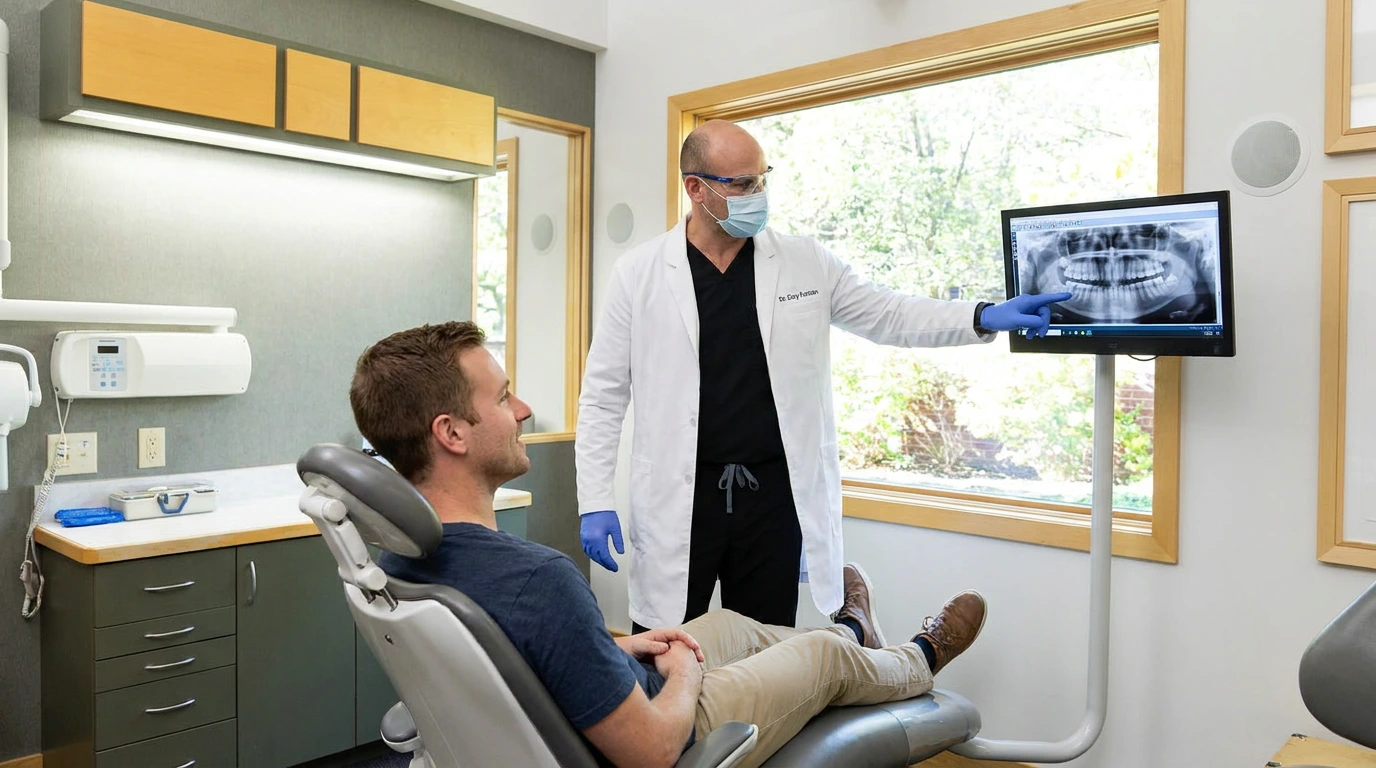
Cory points to a dental X-ray on a monitor screen while a patient watches from a reclining exam chair in a bright dental office.

Why Does Persistent Tooth Pain Signal an Infection?

Persistent tooth pain often signals an internal infection because the dental pulp houses delicate nerves and blood vessels. When bacteria breach the protective enamel and dentin layers, the resulting inflammation increases pressure inside the rigid tooth walls. This pressure irritates internal nerve fibers, producing constant or throbbing discomfort that rarely resolves on its own.

Pain caused by an infected tooth pulp can present in several ways, often fluctuating based on your activity level or posture. Understanding how this discomfort behaves can help you determine when professional assessment is necessary.

Common Characteristics of Pulp-Related Toothache

  • Constant dull aching: A continuous throbbing sensation deep within the bone or tooth structure that lingers throughout the day and disrupts daily focus.
  • Postural pain spikes: Discomfort that noticeably intensifies when you lie down or bend forward due to increased blood pressure within the head and jaw.
  • Unprovoked pain flare-ups: Sharp or radiating aches that appear spontaneously without any direct pressure, chewing, or contact with food.
  • Referred jaw pain: Discomfort that extends beyond the affected tooth into the surrounding jawline, ear, or neighboring teeth.

If you experience these patterns of tooth pain, root canal intervention can alleviate the source of nerve irritation. Seeking an exam in Milford helps prevent minor dental pulp irritation from developing into a broader systemic issue.

A light teal rounded frame displays the words Deep Nerve Pressure, decorated with leaf illustrations at the top left and a small shield icon at the bottom right.

How Does Lingering Temperature Sensitivity Indicate Nerve Damage?

Lingering temperature sensitivity indicates nerve damage when acute discomfort persists long after hot or cold substances leave the mouth. While momentary sensitivity often stems from worn enamel or mild gum recession, a painful reaction lasting more than thirty seconds usually indicates structural inflammation or irreversible tissue death within the tooth pulp.

Healthy teeth feature natural insulation, but deep cavities or micro-fractures compromise this barrier. When thermal changes penetrate directly to internal nerve pathways, the sensory response becomes exaggerated and prolonged.

Types of Thermal Discomfort to Monitor

  • Prolonged heat reactions: Discomfort triggered by warm coffee, soup, or tea that continues aching for minutes after you finish eating.
  • Hypersensitivity to cold air: Sharp distress provoked simply by inhaling brisk winter air or drinking chilled water.
  • Gradual transition to heat: A progression where cold sensitivity subsides while warm foods trigger severe aches, often pointing toward active nerve necrosis.
  • Delayed throbbing: Pain that develops several seconds after exposure to a hot or cold stimulus and pulses steadily afterward.

When you notice these root canal warning signs, early care is essential. Timely intervention with root canal therapy allows your dentist to remove compromised tissue, protect surrounding teeth, and restore chewing comfort.

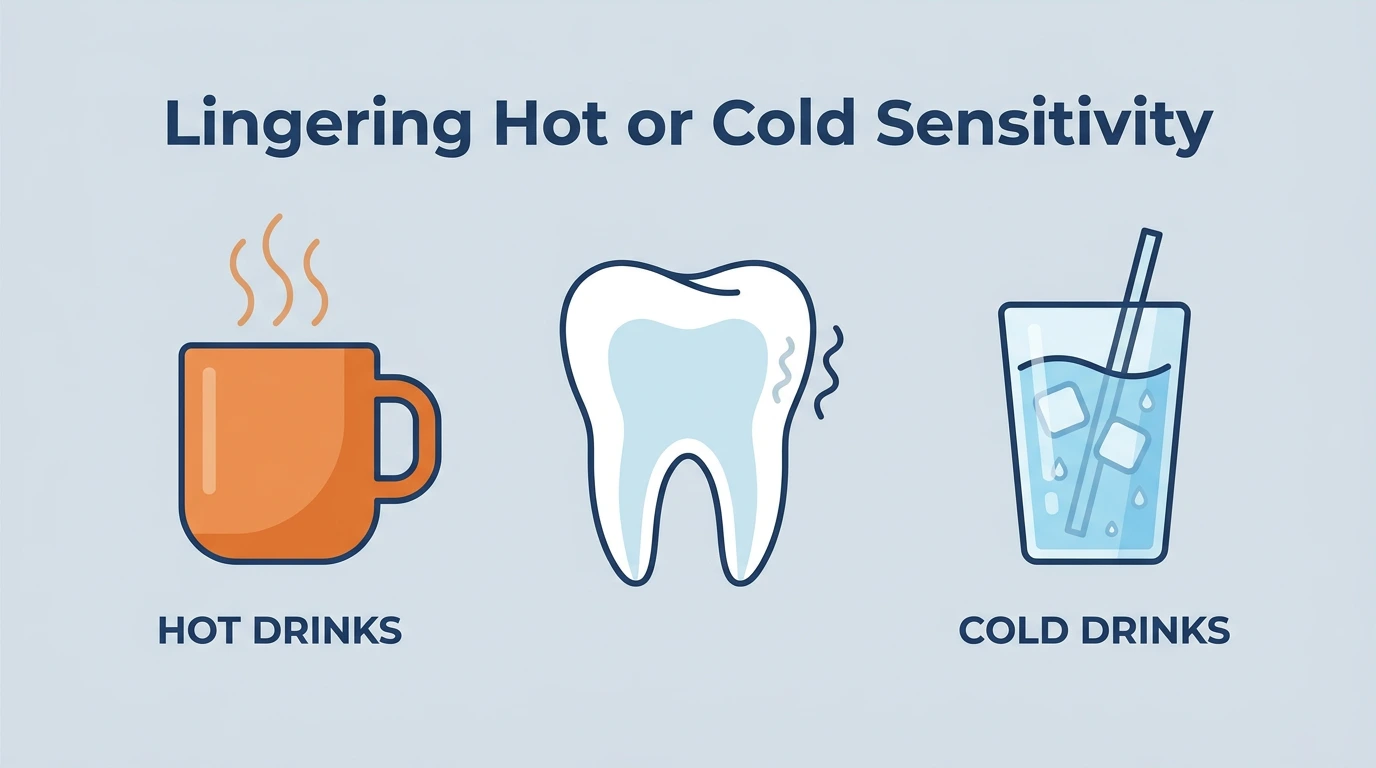
Icons of a hot mug and a glass of iced water on either side of a tooth, titled Lingering Hot or Cold Sensitivity.

What Do Swollen Gums and Pimples Mean?

Swelling, tenderness, or a pimple-like bump on the gums typically signifies an active bacterial infection escaping the tip of a tooth root. As dead pulp tissue breaks down, pus accumulates at the root apex, creating an abscess that presses against surrounding bone and soft tissue until it finds an exit point.

This small raised bump on your gumline is clinically termed a fistula or parulis. It may periodically release fluid, leaving an unpleasant metallic or sour taste in your mouth while temporarily reducing pressure in the jaw. Even if the swelling decreases temporarily after draining, the underlying bacterial colony inside the root chamber remains completely intact.

Gum swelling related to root issues feels distinct from generalized gingivitis because it stays localized around a specific tooth. At our Milford practice, our dentists assess localized gum inflammation to identify whether a tooth requires gentle canal disinfection or traditional periodontal therapy. Addressing an abscess promptly protects your underlying jawbone structure from progressive bone resorption and systemic complications.

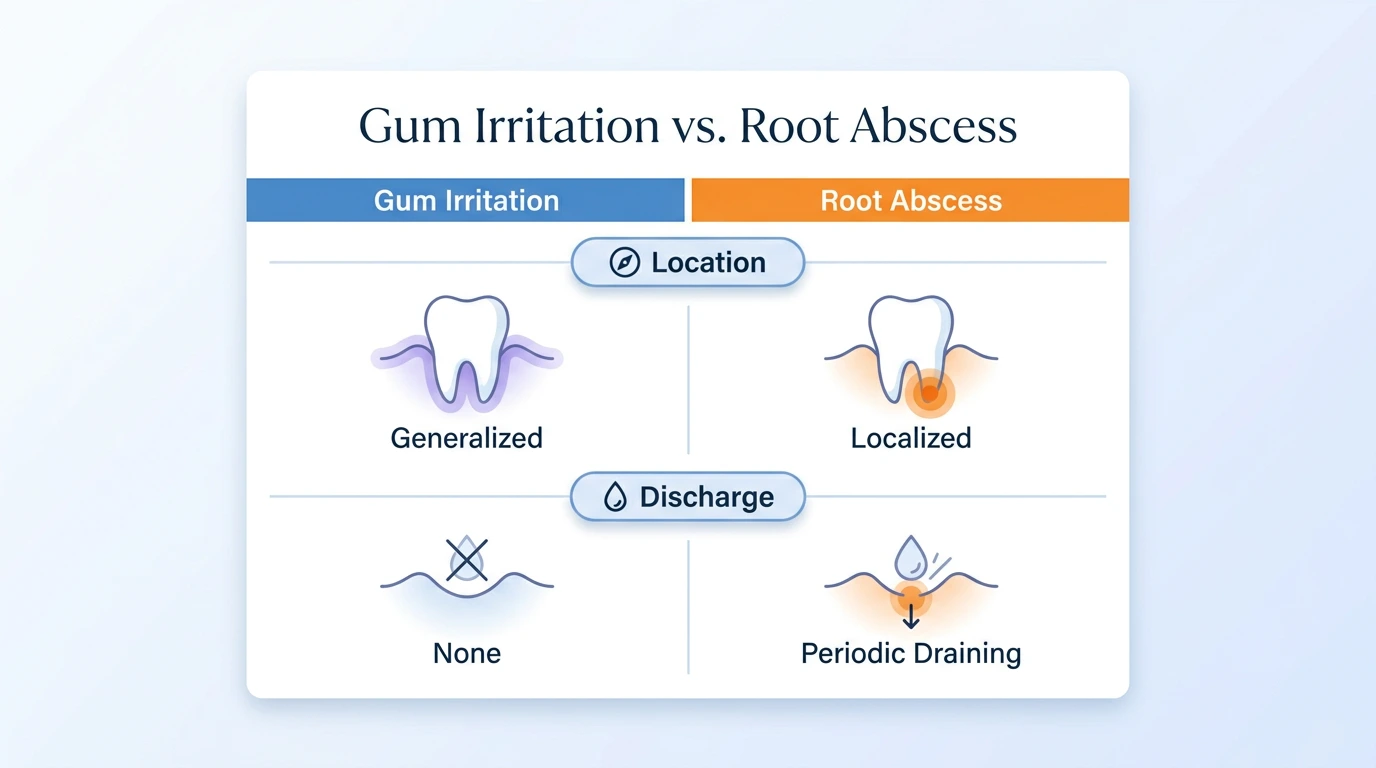
A comparison chart outlines differences between gum irritation and root abscess regarding location and discharge using stylized tooth and gum illustrations.

Schedule Your Dental Exam in Milford Today

If you are experiencing persistent tooth discomfort, lingering sensitivity, or gum swelling, do not wait for the problem to worsen. Contact our team to schedule an appointment with Dr. Cory Fortson at Fortson Dentistry Milford. Our compassionate staff is dedicated to diagnosing your dental concerns promptly and delivering comfortable, personalized care to restore your smile.

Fortson Dentistry Milford waiting room with upholstered chairs, a round glass table and the entrance doors.

Can Tooth Discoloration and Biting Pain Point to Pulp Issues?

Tooth discoloration and biting pain frequently point to dental pulp damage. Discoloration occurs when internal blood vessels rupture and breakdown products stain the porous dentin from the inside out. Pain upon biting indicates that inflammation has spread through the root tip into the supportive periodontal ligament surrounding the tooth.

Changes in tooth shade or structural comfort often indicate internal trauma from an injury or long-standing decay. A tooth compromised in this manner cannot heal without professional care.

Physical Indicators of Internal Tooth Distress

  • Dark gray or brown tinting: An internal change in tooth color that does not improve with routine surface brushing or cosmetic polishing.
  • Chewing tenderness: Acute sensitivity or sharp discomfort triggered every time the tooth makes contact with food or opposing teeth.
  • Sensory hyper-awareness: A distinct feeling that the compromised tooth feels elevated, loose, or hits earlier than adjacent teeth when closing your jaw.
  • Micro-cracks in enamel: Visible stress fractures that permit bacterial infiltration into the delicate internal chamber.

When an injury causes deep pulp trauma, internal tissue can slowly deteriorate over months or years without sudden pain. Recognizing these subtle physical signs allows you to seek care before significant structural damage occurs. Restoring the tooth with protective dental crowns following root cleaning restores both natural appearance and everyday chewing strength.

A man sits at a wooden kitchen table in a plaid shirt, holding a ceramic mug and touching his jaw with a concerned expression.

When Is Tooth Pain a Dental Emergency?

Tooth pain becomes an urgent concern when accompanied by facial swelling, difficulty swallowing, high fever, or debilitating discomfort unresponsive to over-the-counter pain relievers. These symptoms suggest that a localized pulp infection has broken through bone boundaries and entered facial fascial spaces, requiring immediate clinical care to halt further spread.

Patients wondering whether they need urgent intervention should monitor how quickly symptoms evolve. Rapidly expanding facial swelling or pain that makes sleeping impossible requires rapid intervention rather than a wait-and-see approach. Contacting an office for emergency dental care helps contain the infection before it causes widespread health issues.

At Fortson Dentistry Milford, our team prioritizes urgent appointments for individuals facing severe oral discomfort. Our dentists provide targeted diagnostics and comfortable relief options, including sedation dentistry for more relaxed care during emergency visits. Timely management stabilizes your mouth, relieves acute pain, and protects your general well-being.

Light blue rounded callout box reading Severe Facial Swelling in bold navy letters, featuring a medical cross icon and a tooth inside a shield.

How Early Treatment Saves Natural Teeth From Extraction

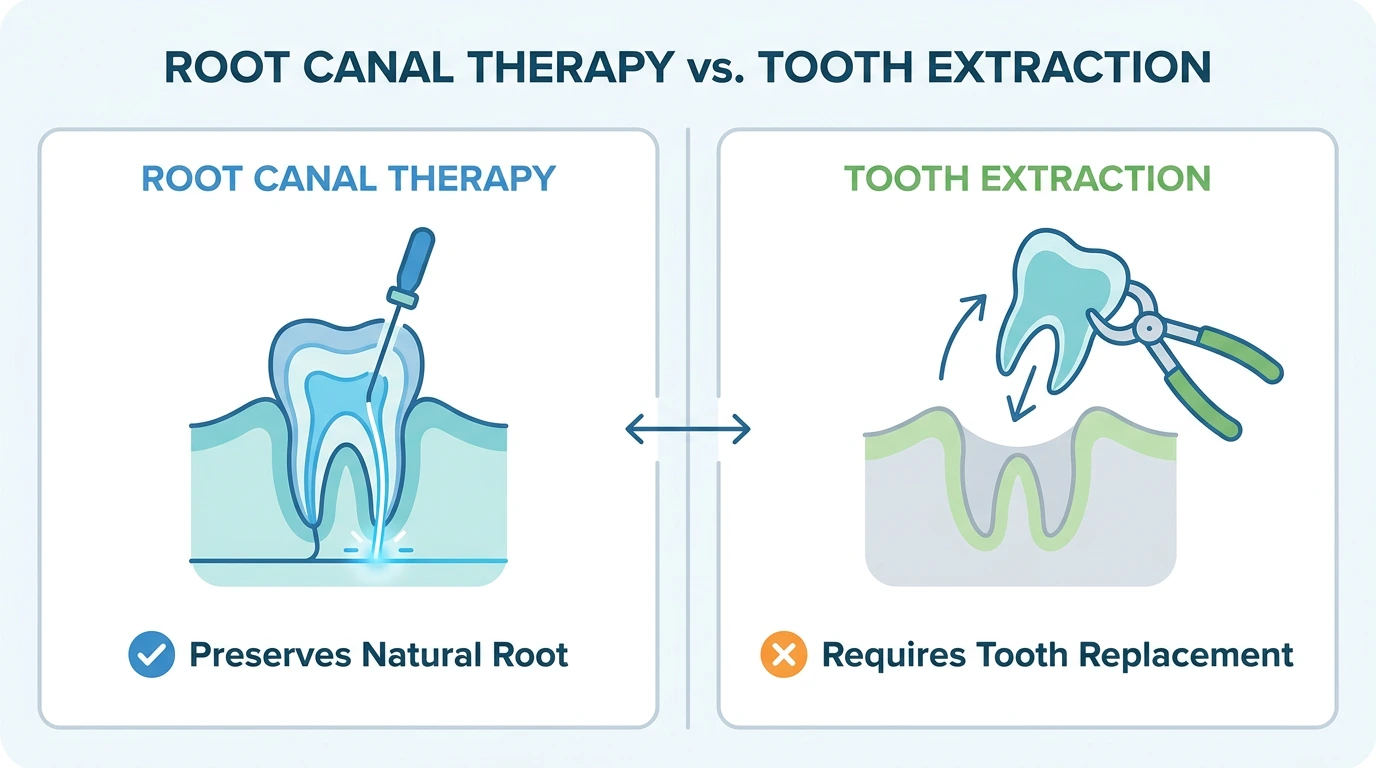
Early endodontic intervention saves natural teeth by removing infected pulp before bacterial colonization causes irreversible bone loss or structural destruction. Cleaning and sealing the internal root canals eliminates infection while maintaining the natural root anchored securely in your jawbone, eliminating the immediate need for surgical tooth extraction.

Preserving your organic tooth structure offers distinct functional and aesthetic advantages over tooth removal. Natural roots help support the surrounding bone and keep your bite aligned.

Key Benefits of Preserving Your Natural Tooth

  • Bone preservation: Retaining your natural root prevents the gradual jawbone loss that typically follows complete tooth removal.
  • Chewing efficiency: Natural teeth provide superior biting force and sensory feedback compared to artificial tooth replacement options.
  • Stable tooth alignment: Keeping the original tooth stops neighboring teeth from shifting out of position, preventing crooked bite patterns.
  • Avoidance of complex surgery: Saving the tooth eliminates the need for bone grafting or placing artificial dental implants.

Addressing decay before it reaches the nerve allows your dentist to place standard dental fillings. However, once infection penetrates the pulp, root canal therapy is a reliable way to keep your natural tooth.

A side-by-side infographic comparing root canal therapy, which cleans a natural tooth root, to tooth extraction, which pulls the tooth with dental forceps.

Taking Action to Protect Your Smile

Understanding the subtle signals of dental nerve distress empowers you to take control of your oral health before minor concerns escalate into severe emergencies. Persistent throbbing, sensitivity to hot and cold, gum pimples, and dark enamel changes are clear indicators that your tooth requires clinical attention. Scheduling a consultation at the first sign of trouble improves the likelihood of preserving your natural tooth structure.

In Milford, Michigan, patients rely on our dentists for thorough, comfortable dental evaluations. They take time to discuss your symptoms, examine your teeth with modern imaging, and recommend conservative solutions tailored to your circumstances. Modern dental techniques help make root canal procedures smooth and focused on lasting comfort.

Delaying dental treatment rarely makes symptoms disappear; instead, untreated infections expand quietly beneath the surface. If you recognize any of these warning signs in your smile, contact our team to schedule an exam. Taking action today can relieve your discomfort, protect your oral wellness, and help keep your natural smile healthy for years to come.

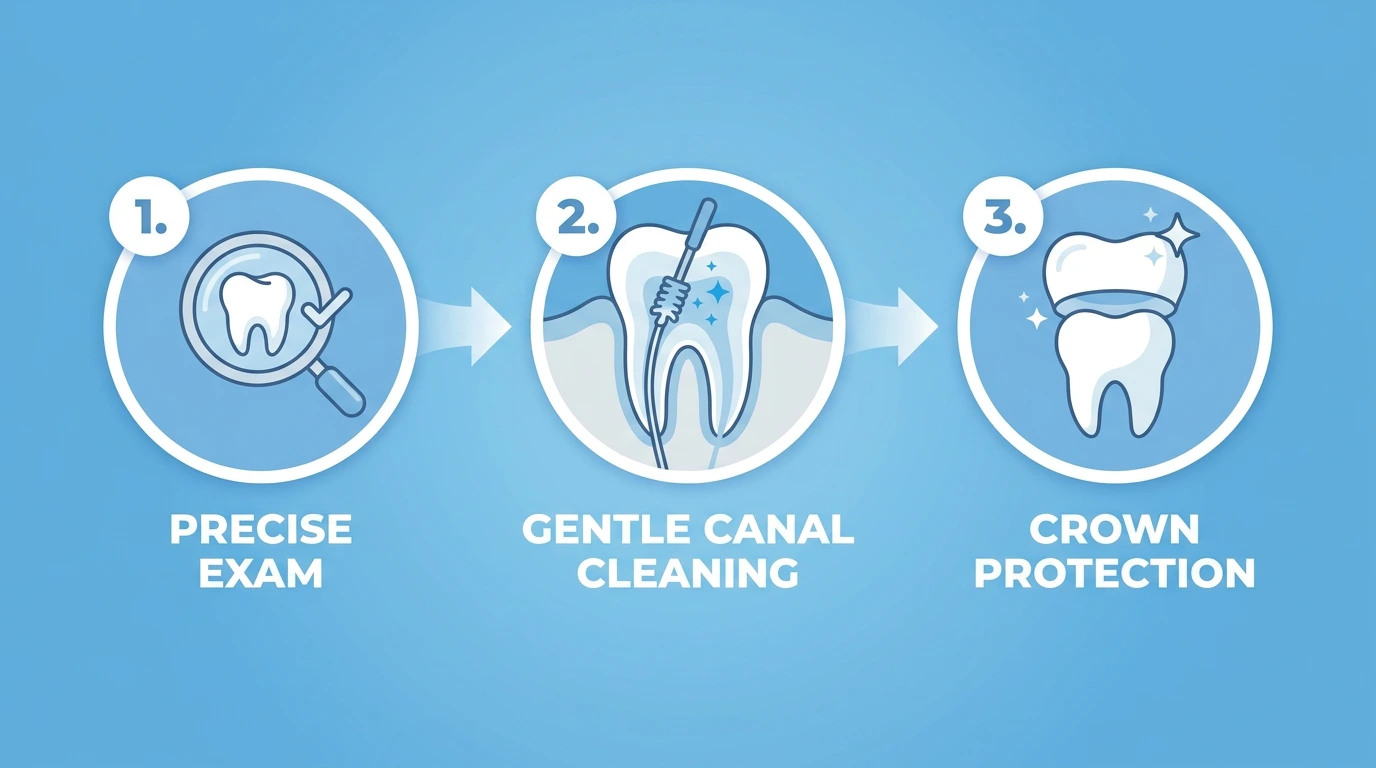
A three-step dental diagram shows circular icons for precise exam with a magnifying glass, gentle canal cleaning with an instrument, and crown protection placement on a blue background.

FREQUENTLY ASKED QUESTIONS

1. What are the earliest signs you need a root canal?
The earliest signs include persistent tooth pain, lingering sensitivity to hot or cold food and drinks, tenderness when chewing, and gum swelling near the tooth. A qualified dentist can examine the area to determine if pulp inflammation is present.

2. Does tooth sensitivity always mean I need a root canal?
No, brief sensitivity to cold or sweets often indicates worn enamel, minor gum recession, or a small cavity. Prolonged sensitivity lasting more than thirty seconds after the stimulus is removed is more characteristic of internal nerve damage requiring endodontic evaluation.

3. Why did my severe toothache suddenly stop hurting?
When a painful tooth suddenly stops hurting without treatment, it often means the internal nerve has died. However, the underlying bacterial infection remains active inside the tooth and can spread into surrounding bone unless properly treated with root canal therapy.

4. Can a tooth heal on its own once the pulp is infected?
No, an infected dental pulp cannot heal on its own. Because the pulp is enclosed within rigid tooth walls, blood supply cannot deliver adequate immune defenses to eliminate bacteria, making professional treatment necessary to clear the infection.

5. What does a dental abscess look like on the gums?
A dental abscess often appears as a small, red, pimple-like bump on the gum tissue near the root of the affected tooth. It may feel tender to the touch, periodically leak fluid, or produce a sour taste in the mouth.

6. Is root canal treatment painful?
Modern root canal therapy is designed for patient comfort. Dentists use effective local anesthesia and gentle techniques to numb the area thoroughly, to help you stay comfortable throughout the procedure while resolving the pain caused by the infected nerve.

7. How does a dentist confirm I need a root canal?
A dentist confirms the need for treatment through a clinical examination, temperature testing, gentle tapping tests on the tooth, and modern X-rays that reveal inflammation or bone loss around the root tips.

8. What happens if I ignore the warning signs of an infected tooth?
Ignoring symptoms allows the infection to spread into the jawbone, face, and bloodstream, potentially causing severe facial swelling and bone loss. Eventually, the damaged tooth may become non-restorable and require surgical extraction.

9. Can a cracked tooth cause internal pulp damage?
Yes, a crack in the tooth allows oral bacteria to penetrate directly into the pulp chamber, leading to inflammation and infection. Even microscopic fractures can cause sharp pain when chewing and may require root canal care.

10. How can I schedule an evaluation for tooth pain in Milford?
You can contact our team directly to schedule a thorough exam with our dentists. Our practice provides gentle assessments and restorative treatments to relieve tooth pain and protect natural teeth.
Related Blog Posts

Stay Informed with Expert Insights & Tips About Dental Care

How Dental Bridges Replace Missing Teeth

Dental bridges restore missing teeth by spanning gaps with custom prosthetics, improving chewing function and aesthetics through various types and procedures.

10.7.2026
READ MORE

How Dental Implants Restore Your Smile

Dental implants offer a permanent, natural-looking solution for missing teeth, stimulating jawbone health and restoring confidence for a lasting, complete smile.

9.8.2026
READ MORE

How Root Canal Therapy Relieves Tooth Pain

Root canal therapy effectively relieves severe tooth pain by addressing infected pulp, preventing further complications, and preserving your natural tooth.

8.5.2026
READ MORE