Reclaiming a Confident Smile

Missing a tooth can feel like a significant hurdle, impacting everything from comfortable chewing to the ease of a spontaneous smile. Fortunately, modern dentistry offers effective solutions to restore these gaps, and dental bridges are a time-tested approach that helps many regain full oral function and confidence. Dr. Cory Fortson at Forston Dentistry in Milford frequently discusses these options with patients seeking lasting solutions.

Zoe, a woman in her early 40s, recently visited Forston Dentistry after noticing a noticeable gap in her lower jaw where a molar had been extracted years ago. She had grown increasingly self-conscious about it, even finding herself covering her mouth when she laughed. Zoe was eager to explore options for a permanent fix that would allow her to eat her favorite foods without worry and smile freely again.

Her primary goal was to find a solution that felt natural, looked aesthetically pleasing, and provided strong, reliable support. Dr. Fortson understood Zoe's desire for a comprehensive solution and began outlining how different tooth bridge options could address her concerns. He emphasized the importance of a stable, long-term restoration for both her health and self-esteem.
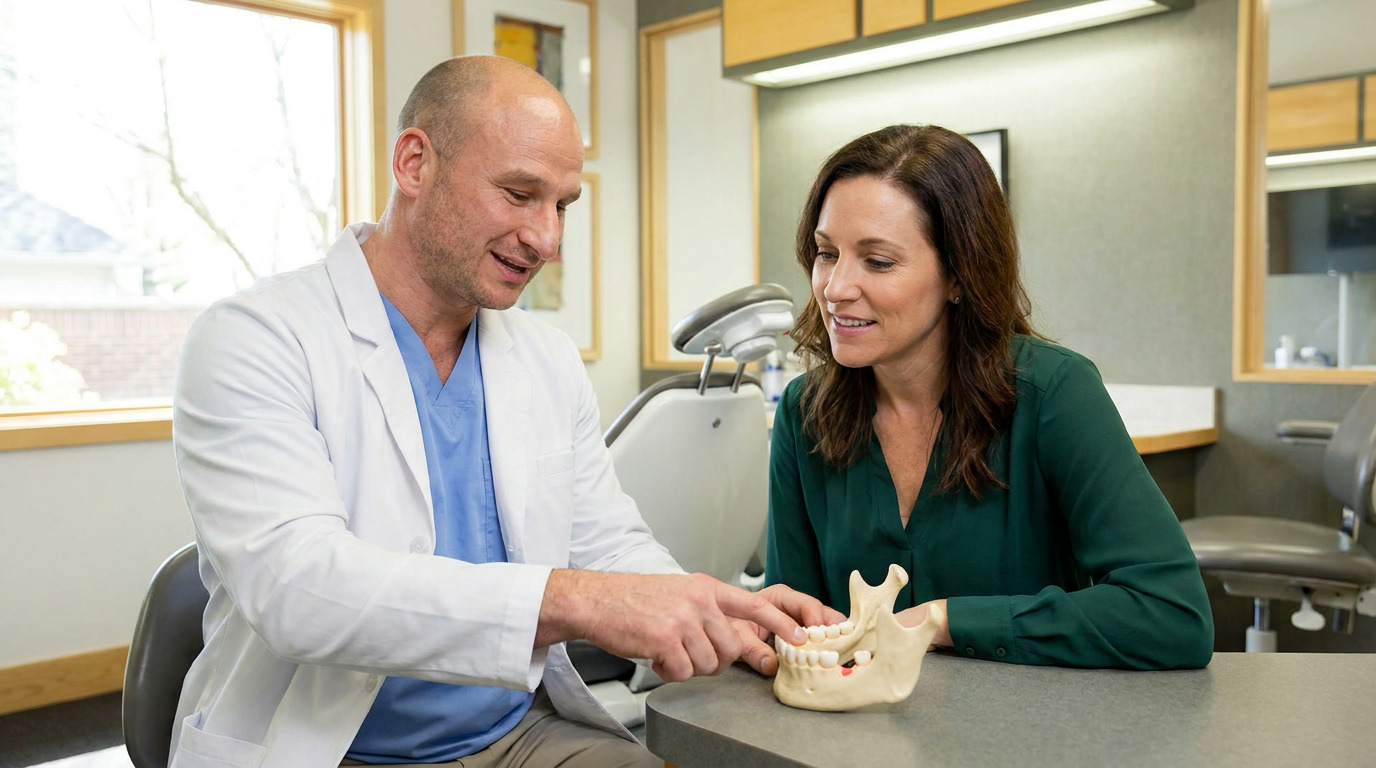
Dr. Cory Fortson, wearing a white lab coat over blue scrubs, points to a jawbone model on a counter while speaking with a woman in a dark green top in a bright dental office.

What Are Dental Bridges?

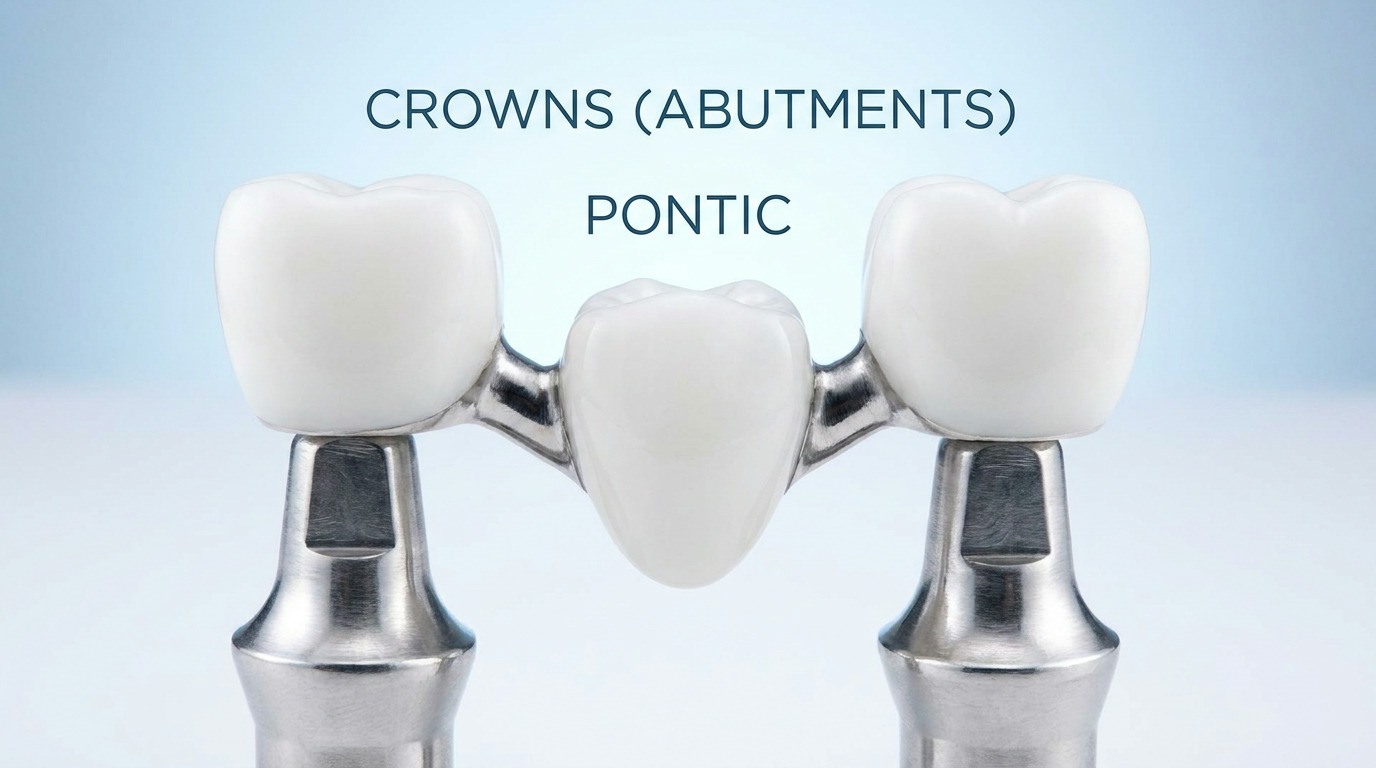
Dental bridges are essentially custom-made prosthetics designed to literally "bridge" the gap created by one or more missing teeth. They typically consist of one or more artificial teeth, known as pontics, which are held in place by dental crowns cemented onto the natural teeth or implants adjacent to the gap. This comprehensive approach ensures both stability and a natural appearance, as Dr. Cory Fortson carefully explained to Zoe during her consultation.

Dr. Fortson detailed how these restorations are crafted to blend seamlessly with surrounding teeth, restoring the bite and preventing other teeth from shifting. Zoe learned that a well-designed bridge can function just like her natural teeth, providing the stability she craved. The team at Forston Dentistry - Milford takes great care in matching the shade and shape of the pontics to a patient's existing smile.

  • Traditional Bridges: These are the most common type, using crowns on healthy adjacent teeth (abutment teeth) to support the pontic.
  • Cantilever Bridges: Used when there are adjacent teeth on only one side of the missing tooth gap.
  • Maryland Bridges: These involve a metal or porcelain framework bonded to the back of adjacent teeth, rather than using full crowns.
  • Implant-Supported Bridges: If a patient has multiple missing teeth, an implant-supported bridge might be an excellent solution.
A dental bridge with two white crowns on metal abutments and a white pontic in the middle, against a soft blue and white gradient background, with text overlays.

Dental Bridge Procedure Explained

The process of getting a dental bridge usually involves a few visits to Forston Dentistry - Milford, ensuring precision and comfort for the patient. Dr. Cory Fortson walked Zoe through each step, starting with the preparation of her abutment teeth. This initial step is crucial for traditional bridges, as it involves gently reshaping the adjacent teeth to make room for the crowns that will hold the bridge in place.

During the first visit, Dr. Fortson carefully prepared Zoe's adjacent teeth and took impressions of her mouth. These impressions are vital for creating a bridge that fits perfectly and matches her natural tooth structure and shade. Zoe appreciated the detailed explanation, which helped alleviate any anxieties she had about the procedure. The impressions are then sent to a dental laboratory, where skilled technicians custom-fabricate the bridge.

  • Tooth Preparation: Abutment teeth are gently reshaped to accommodate the crowns.
  • Impressions: Detailed molds are taken to ensure a custom, precise fit for the bridge.
  • Temporary Bridge Placement: A temporary bridge is often placed to protect prepared teeth while the permanent one is being made.
  • Permanent Bridge Cementation: Once ready, the custom bridge is permanently bonded into place during a subsequent visit.
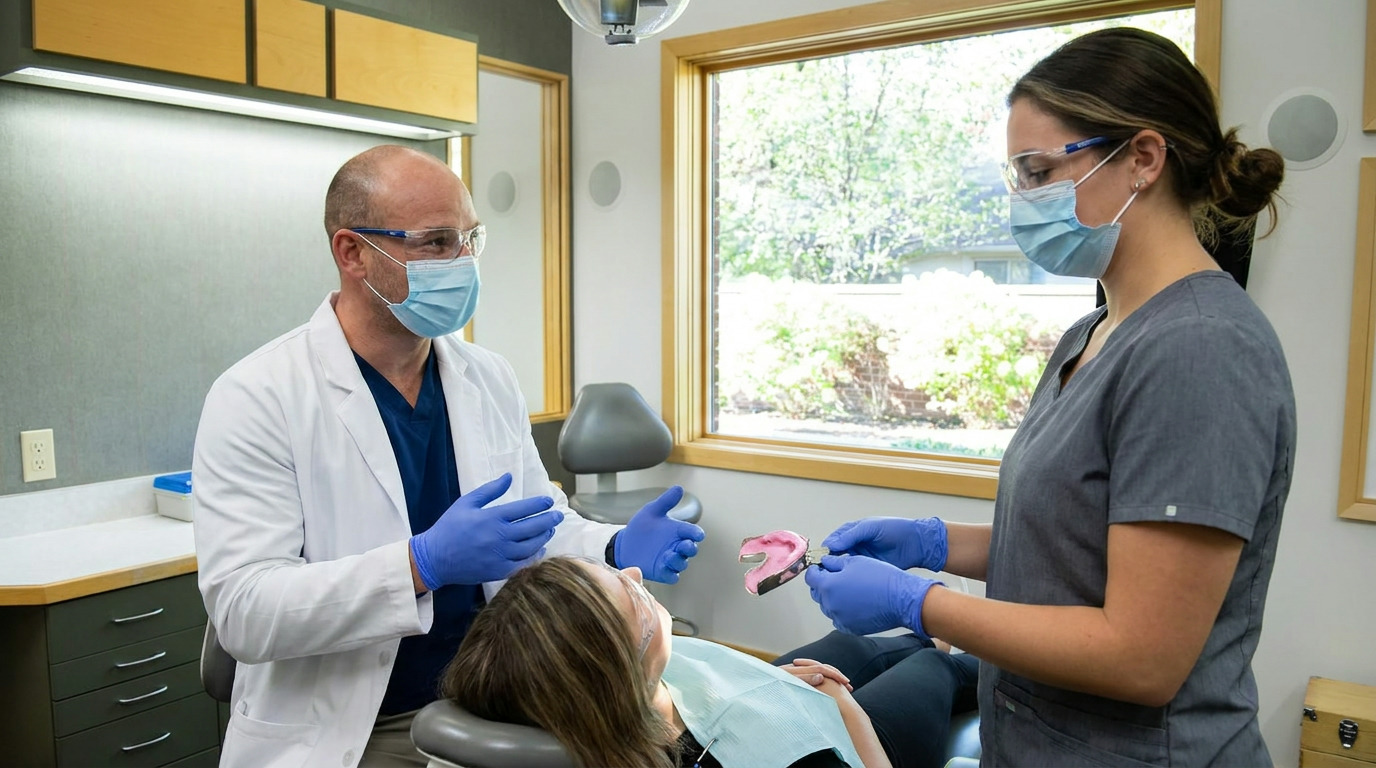
A male dentist in a lab coat and mask speaks to a patient in a dental chair while a female assistant in scrubs and mask holds a dental impression tray.

Am I a Candidate for a Bridge?

Determining candidacy for a dental bridge involves a thorough evaluation of a patient's overall oral health and the condition of their remaining teeth. Dr. Cory Fortson conducts a comprehensive exam, which includes assessing the strength of the adjacent teeth and the health of the gums and underlying bone. He emphasized to Zoe that healthy abutment teeth are paramount for a successful traditional bridge.

Zoe's examination revealed that her teeth adjacent to the gap were strong and healthy, making her an excellent candidate for a traditional bridge. Dr. Fortson also discussed the importance of good gum health, as any active gum disease would need to be addressed before placing a bridge. Conditions like periodontitis can compromise the foundation of the bridge, making its long-term success uncertain.

Patients with significant bone loss or severely damaged adjacent teeth might explore alternative options, such as dental implants. Dr. Fortson ensures every patient understands all their available choices for missing tooth replacement. His personalized approach helps individuals like Zoe make informed decisions about their dental care, always with their long-term oral health in mind.

Zoe, wearing a navy blue sweater, holds a wooden hand mirror and touches her teeth in a bright kitchen with a fruit bowl and coffee maker on the counter.

Schedule Your Consultation

If you are missing teeth and exploring your replacement options, contact Forston Dentistry in Milford today. Dr. Cory Fortson and his team are ready to discuss whether dental bridges are the right solution for your unique needs. They will provide a thorough examination and a personalized treatment plan to help you achieve a healthy, complete smile.

Living With Your New Dental Bridge

Adjusting to a new dental bridge is often a smooth transition, and with proper care, it can feel just like a natural part of the smile. Dr. Cory Fortson provided Zoe with detailed instructions on how to maintain her new bridge, emphasizing the importance of a diligent oral hygiene routine. He explained that special attention around the bridge and supporting teeth is key to long-term success.

Zoe was relieved to hear that eating and speaking would feel completely normal once she was accustomed to the bridge. Many patients find that their speech improves, and they can enjoy a wider variety of foods again without discomfort. Dr. Fortson recommended a few specific tools and techniques to keep her bridge in pristine condition.

  • Brush Regularly: Brush at least twice a day with a soft-bristled toothbrush.
  • Floss Daily: Use a floss threader or water flosser to clean beneath the pontic and around abutment teeth.
  • Avoid Hard Foods: Be cautious with extremely hard or sticky foods that could potentially damage the bridge.
  • Regular Dental Check-ups: Continue to schedule routine cleanings and exams at Forston Dentistry.
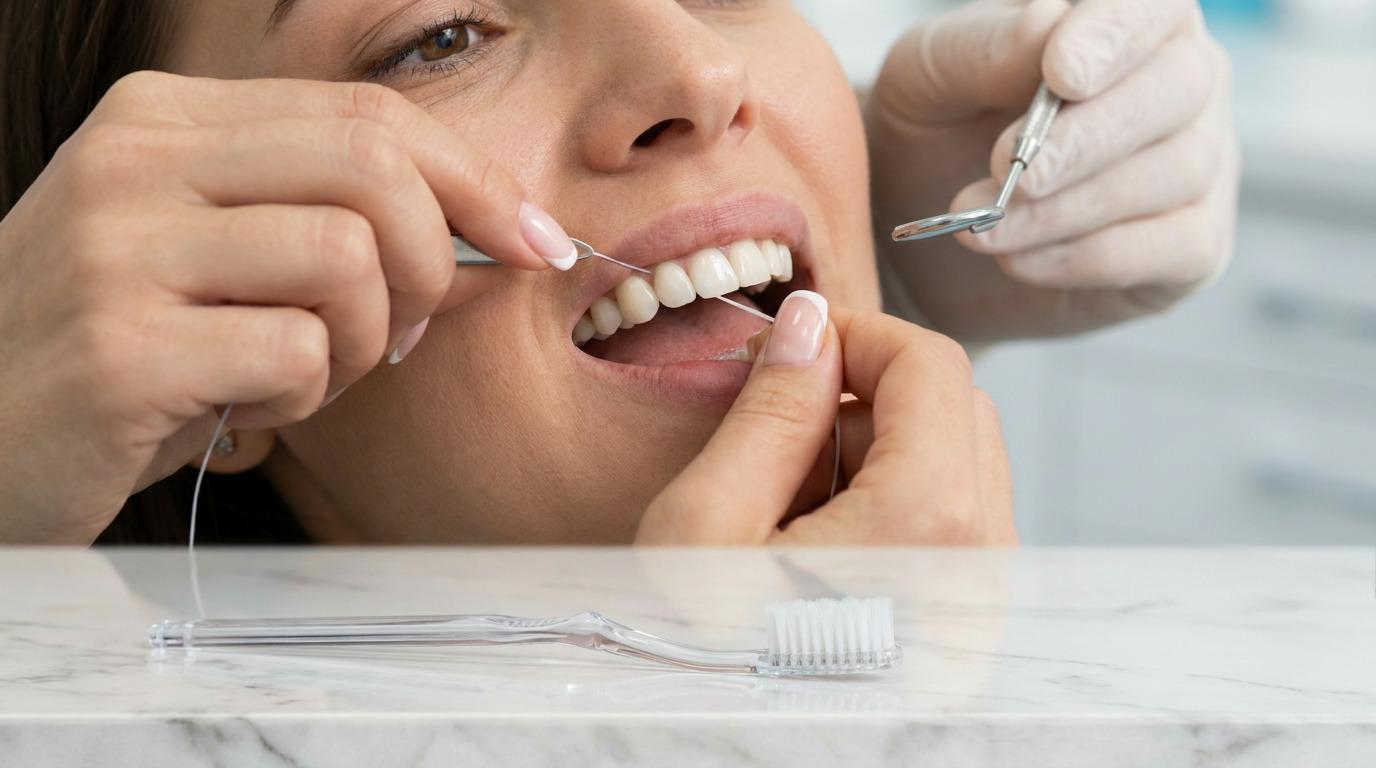
A person flosses their teeth with dental floss and a flossing tool, while a gloved hand holds a dental mirror, and a clear toothbrush rests on a marble counter.

How Long Do Dental Bridges Last?

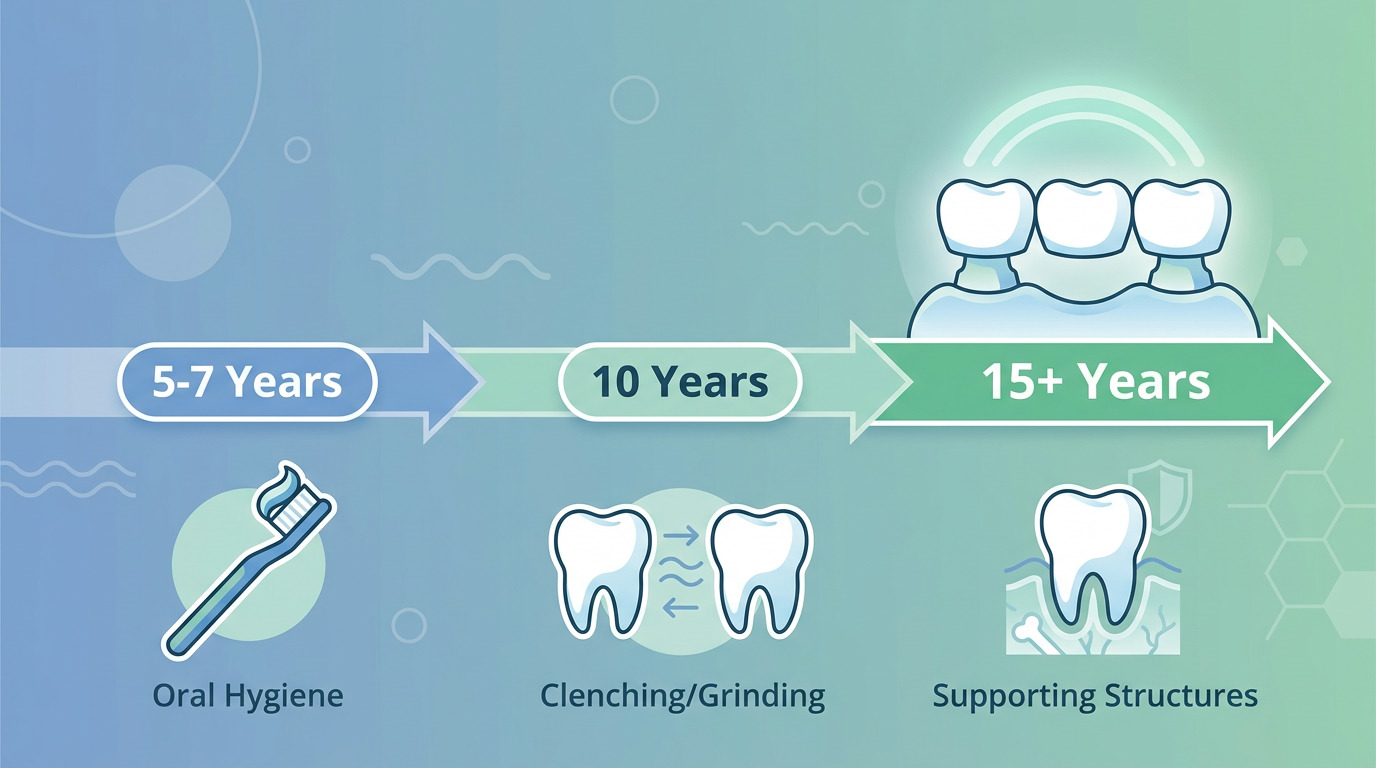
With diligent care and regular dental visits, a dental bridge can provide an effective and durable solution for many years. Dr. Cory Fortson informed Zoe that while no dental restoration lasts forever, most traditional bridges can last anywhere from 5 to 15 years, and often even longer. He stressed that longevity largely depends on the patient's commitment to oral hygiene and routine maintenance.

Factors influencing the lifespan of a bridge include the strength of the supporting teeth, the materials used, and the patient's dietary habits. For instance, clenching or grinding teeth can put undue stress on a bridge, potentially shortening its lifespan. Dr. Fortson discussed solutions like custom night guards for patients like Zoe, who experience bruxism, to protect their dental work.

Regular check-ups allow Dr. Fortson and his team to monitor the condition of the bridge and the surrounding teeth and gums. Any early signs of wear, loosening, or gum issues can be addressed promptly, helping to extend the life of the restoration. This proactive approach is a cornerstone of the care provided at Forston Dentistry - Milford.

An infographic shows a timeline with arrows labeled "5-7 Years," "10 Years," and "15+ Years" leading to a dental bridge icon. Below are icons for oral hygiene, clenching/grinding, and supporting structures.

Bridge vs. Implants: Which Is Right?

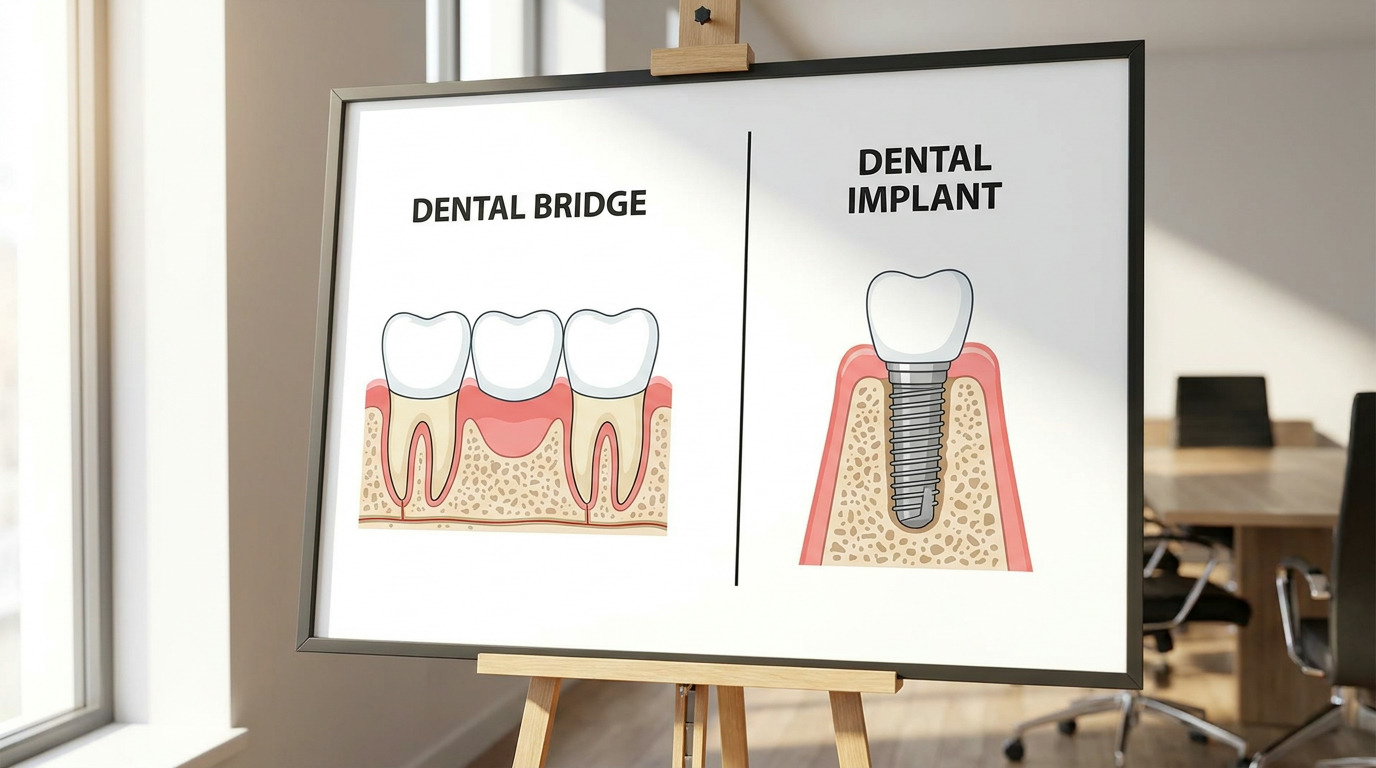
Choosing between a dental bridge and a dental implant to replace missing teeth is a significant decision, and one that Dr. Cory Fortson helps many patients navigate. While both are excellent options, they differ in their approach and suitability for various situations. Dr. Fortson explained that dental implants involve placing a titanium post directly into the jawbone, acting as an artificial tooth root. This approach does not require modification of adjacent healthy teeth.

In Zoe's case, because her adjacent teeth were healthy and she wanted a less invasive procedure, a traditional bridge was a strong contender. Implants, while offering superior bone preservation and being a standalone solution, typically involve a longer treatment timeline due to the healing period required for osseointegration. Dr. Fortson thoroughly reviewed all aspects, including initial cost, longevity, and overall impact on oral health.

  • Bone Health: Implants are ideal for preserving jawbone density; bridges do not stimulate the bone beneath the missing tooth.
  • Adjacent Teeth: Bridges require shaping of neighboring teeth, while implants do not affect them.
  • Treatment Time: Bridges are generally completed faster than implants.
  • Maintenance: Both require excellent oral hygiene; implants can be easier to floss around individually.
A whiteboard on an easel displays diagrams of a dental bridge and a dental implant, with text labels, in an office setting with a window and chairs.

Rebuilding Your Smile Confidently

The journey to replacing a missing tooth is a personal one, and Dr. Cory Fortson and his compassionate team at Forston Dentistry are dedicated to guiding each patient through the process with care and expertise.

Understanding the options, from the mechanics of different bridge types to the long-term commitment of care, empowers individuals to make the best choice for their oral health and lifestyle. The goal is always to restore not just a tooth, but also comfort, function, and the joy of a complete smile.

Zoe's experience with Dr. Fortson at Forston Dentistry - Milford perfectly illustrates this commitment. After her detailed consultation and the successful placement of her new bridge, Zoe found herself smiling more broadly than she had in years. She could now eat her favorite foods without a second thought and speak with renewed confidence, no longer self-conscious about the gap. She often reflected on Dr. Fortson's thorough explanations and the careful, gentle approach of the entire team. Her new bridge felt natural and looked seamless, proving to her that addressing that missing molar was one of the best decisions for her overall well-being. Forston Dentistry remains a trusted partner for patients like Zoe, helping them reclaim their confident smiles.

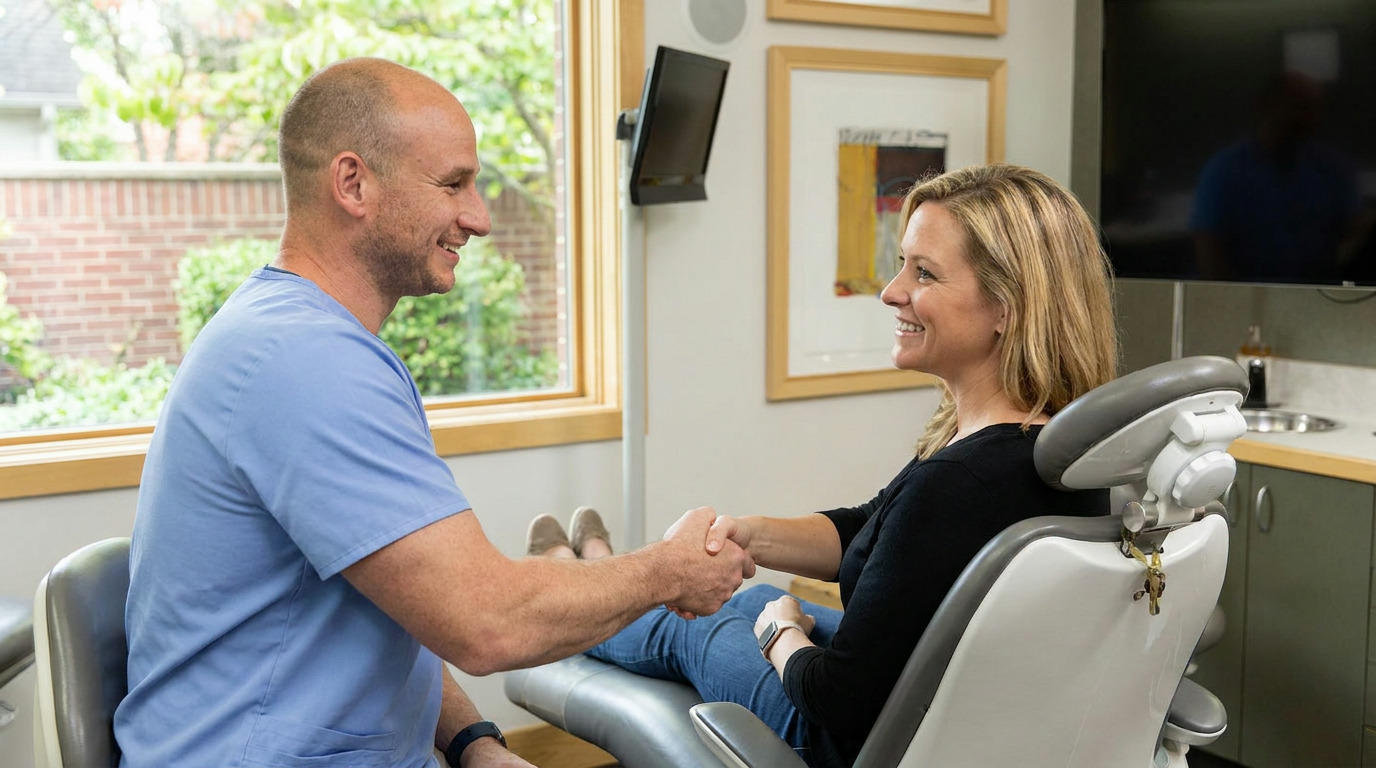
A bald man in blue scrubs shakes hands with a smiling woman in a dental chair, next to a large window.

FREQUENTLY ASKED QUESTIONS

1. What exactly is a dental bridge used for?
A dental bridge is a fixed dental restoration used to replace one or more missing teeth by spanning the gap between existing teeth or implants. It helps restore chewing function, improve speech, and prevent remaining teeth from shifting into the empty space. Dr. Cory Fortson uses them to restore both aesthetics and oral health for his patients.

2. How long does the dental bridge procedure typically take?
The dental bridge procedure usually requires two to three visits to Forston Dentistry. The first visit involves preparing the adjacent teeth and taking impressions. The second visit, a few weeks later, is for cementing the custom-made permanent bridge into place, ensuring a precise and comfortable fit.

3. Does getting a dental bridge hurt?
Patients typically experience minimal discomfort during the dental bridge procedure. Dr. Cory Fortson uses local anesthetic to numb the area, ensuring a pain-free experience during tooth preparation and bridge placement. Some mild sensitivity or soreness might occur afterwards, but it is usually manageable with over-the-counter pain relievers.

4. How do I clean and care for my dental bridge?
Cleaning a dental bridge involves regular brushing and daily flossing. Special attention should be paid to cleaning beneath the artificial tooth (pontic) using a floss threader or water flosser, as food particles can become trapped there. Dr. Cory Fortson will provide specific instructions and demonstrate proper techniques to ensure optimal bridge hygiene.

5. What are the main differences between a dental bridge and an implant?
A dental bridge replaces missing teeth by using adjacent teeth for support, often requiring their preparation. A dental implant, on the other hand, involves surgically placing a titanium post into the jawbone, which then supports a crown or bridge. Implants are standalone solutions and do not affect neighboring healthy teeth.

6. What if the teeth supporting the bridge get cavities?
If the teeth supporting a bridge develop cavities, it can compromise the integrity and stability of the entire restoration. Regular dental check-ups and diligent oral hygiene are crucial to prevent this. Dr. Cory Fortson can detect issues early, and depending on the cavity's severity, he may be able to treat it without replacing the entire bridge.

Related Blog Posts

Stay Informed with Expert Insights & Tips About Dental Care

How Dental Implants Restore Your Smile

Dental implants offer a permanent, natural-looking solution for missing teeth, stimulating jawbone health and restoring confidence for a lasting, complete smile.

9.8.2026
READ MORE

How Root Canal Therapy Relieves Tooth Pain

Root canal therapy effectively relieves severe tooth pain by addressing infected pulp, preventing further complications, and preserving your natural tooth.

8.5.2026
READ MORE

Your Cosmetic Dentist in Milford, MI

Discover how cosmetic dentistry can help you achieve a stunning, confident smile through personalized solutions like teeth whitening and veneers.

7.9.2026
READ MORE