Understanding Tooth Pain

When a persistent ache sets in, often accompanied by sensitivity or swelling, it can signal a deeper issue within a tooth's pulp. For many, root canal therapy offers the most effective solution for both alleviating severe pain and saving the natural tooth. This procedure addresses the infected or inflamed pulp, removing the source of discomfort and preventing further complications.

Ashley, a woman in her early thirties, recently experienced this alarming discomfort. She initially dismissed a dull ache as something minor, hoping it would simply disappear on its own. However, the pain soon escalated, becoming sharp and throbbing, especially at night.

She realized then that ignoring the signs was no longer an option. Ashley sought an urgent appointment at Forston Dentistry - Milford, hoping Dr. Cory Fortson could identify the source of her distress.

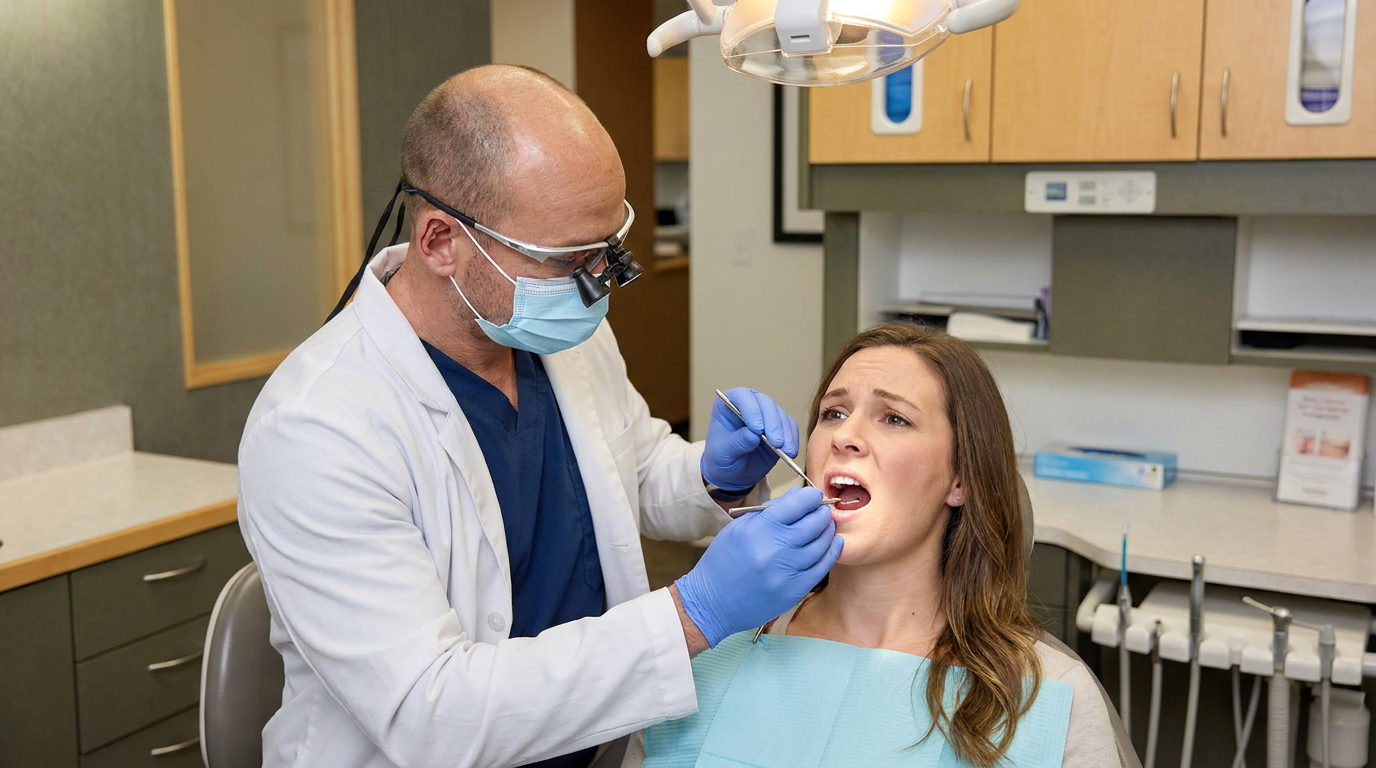
Dr. Cory Fortson, wearing a white lab coat, blue scrubs, a surgical mask, and magnifying glasses, examines Ashley's open mouth with a dental mirror and probe as she sits in a dental chair.

What Are Signs of Tooth Infection?

Recognizing the early indicators of a tooth infection is crucial for timely intervention and successful treatment. Often, the first sign is a persistent toothache, which can range from mild to severe and may worsen when chewing or applying pressure. Ashley described her pain as a deep, radiating sensation that made concentrating difficult.

Dr. Cory Fortson explained that such pain often points to inflammation or infection inside the tooth. He emphasized that early diagnosis can prevent more complex procedures later. He examined Ashley's tooth carefully, noting swelling around the gum line.

Ashley also reported heightened sensitivity to hot and cold temperatures, which lingered long after the stimulus was removed. This prolonged sensitivity is another key indicator of internal pulp damage. Dr. Fortson discussed other common symptoms with her.

Key Signs to Watch For

  • Severe toothache: Persistent pain, especially when chewing or applying pressure.
  • Prolonged sensitivity: Lingering discomfort to hot or cold temperatures.
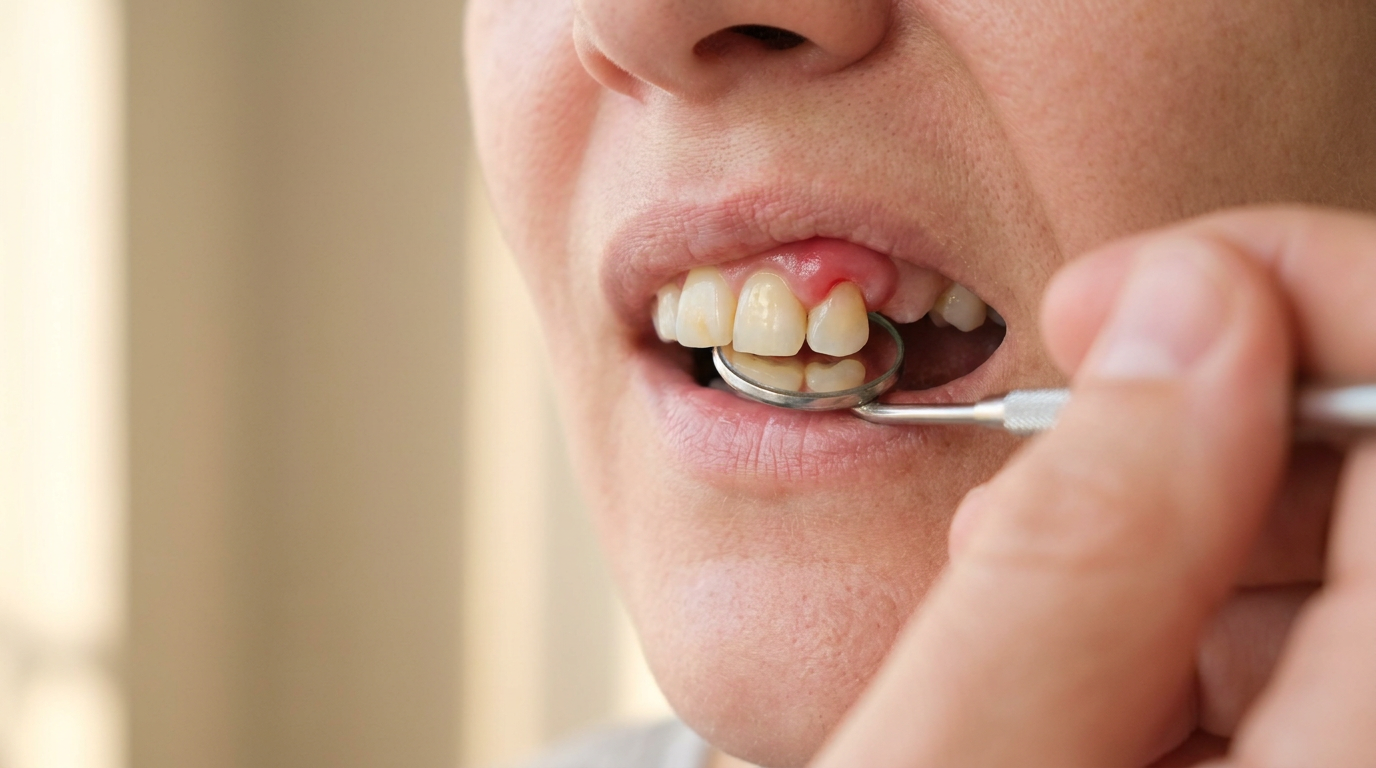
  • Gum tenderness/swelling: Swollen, tender gums near the affected tooth.
  • Pimple on the gums: A small, pus-filled bump indicating an abscess.
  • Darkening of the tooth: Discoloration can suggest internal pulp damage.
A person's open mouth with inflamed gums around a front tooth is shown as a dental mirror is held to the lower teeth.

What Causes Internal Tooth Damage?

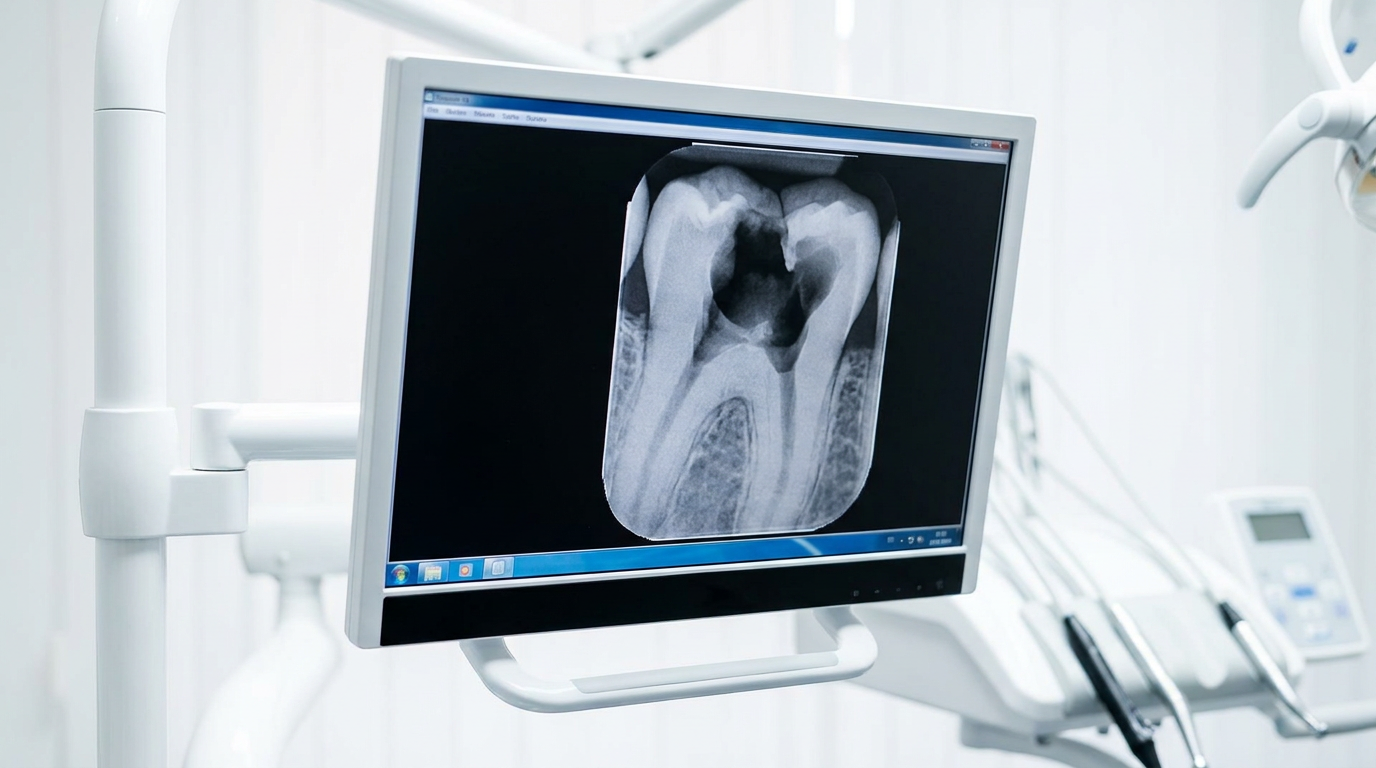
Internal tooth damage, often leading to the need for root canal treatment, primarily stems from bacteria invading the tooth's innermost layer, the pulp. This can happen through deep decay that penetrates the enamel and dentin. Ashley's initial X-rays revealed a significant cavity that had reached the pulp chamber.

Trauma to the tooth, even without visible chips or cracks, can also cause pulp damage over time. A hairline fracture or a past injury can create pathways for bacteria, leading to inflammation and infection. Dr. Cory Fortson often sees cases where a single hard bite caused a tiny crack.

Repeated dental procedures on the same tooth can sometimes compromise the pulp, making it more vulnerable to infection. Each intervention, while necessary, can introduce minute stresses. Dr. Fortson reassured Ashley that her situation was common and highly treatable.

Common Causes of Pulp Damage

  • Deep decay: Untreated cavities reaching the pulp.
  • Tooth trauma: Cracks, chips, or impacts that damage the pulp.
  • Repeated dental procedures: Stress from multiple treatments on one tooth.
  • Gum disease: Advanced gum disease can expose roots to bacteria.
  • Large fillings: Fillings close to the pulp can sometimes cause irritation.
A dental X-ray of a tooth with decay is displayed on a monitor in a dental office, with dental tools and equipment visible in the background.

How Does Root Canal Therapy Work?

Root canal therapy involves carefully removing the infected or inflamed pulp, thoroughly cleaning and shaping the inside of the root canal system, and then sealing it. This procedure effectively eliminates the source of infection and preserves the tooth's structure. Dr. Cory Fortson explained each step to Ashley, alleviating her anxieties.

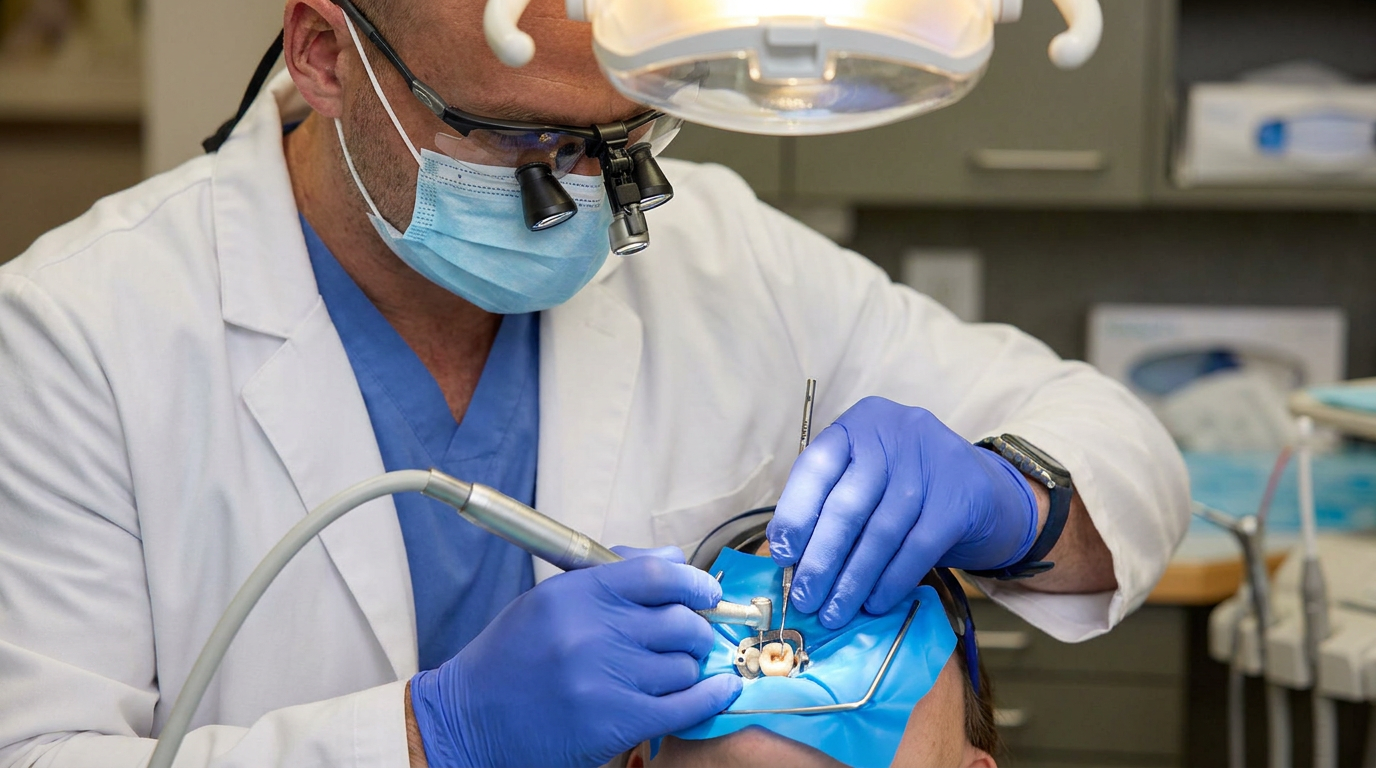
He began by administering a local anesthetic to ensure Ashley felt absolutely no pain during the procedure. He then placed a rubber dam around the tooth, isolating it to maintain a clean, sterile field. This dam also prevents bacteria from entering the tooth during treatment.

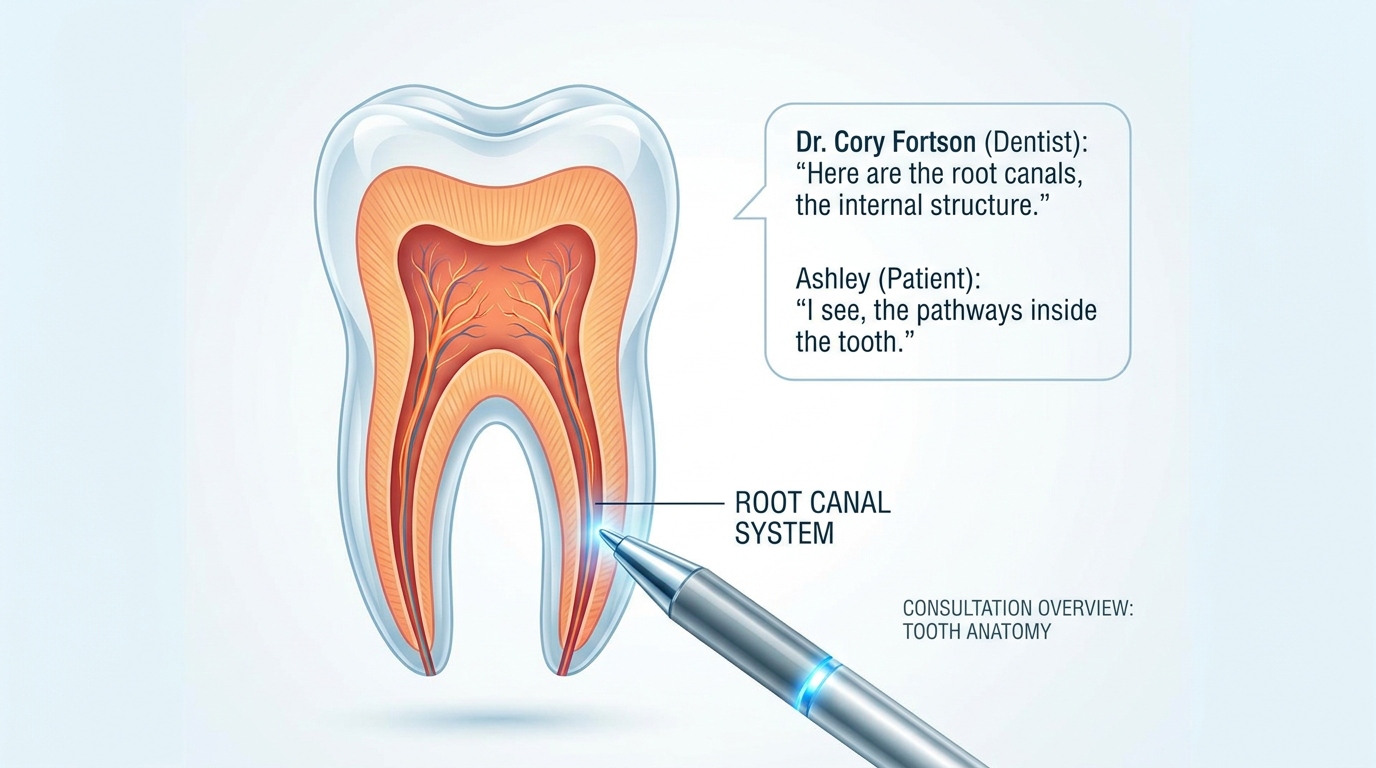
Next, Dr. Fortson created a small access opening in the crown of the tooth to reach the pulp chamber and root canals. Using specialized instruments, he meticulously removed the diseased pulp, bacteria, and debris. This thorough cleaning is critical for successful treatment and pain relief.

An illustration of a cross-section of a tooth is shown with a pen pointing to the root canal system, with text boxes showing a conversation between Dr. Cory Fortson and Ashley.

Schedule Your Appointment

If you are experiencing persistent tooth pain, sensitivity, or swelling, do not delay seeking professional dental care. Contact Dr. Cory Fortson at Forston Dentistry - Milford today to schedule a comprehensive examination. His team can diagnose the issue and discuss whether root canal therapy or another restorative solution is right for you, helping you find relief and restore your smile.

What Happens During the Procedure?

During the root canal procedure, after the initial access is made and the infected pulp removed, the focus shifts to meticulous cleaning and shaping. Dr. Cory Fortson utilizes tiny, flexible instruments to clean the canals, removing any remaining debris and bacteria. He ensures that all infected tissue is gone, preventing future complications.

He then carefully shapes the canals, preparing them for a permanent filling material. This shaping helps ensure the canals are fully accessible and can be completely sealed. Ashley appreciated Dr. Fortson's detailed explanation of this complex process.

Once the canals are clean and shaped, Dr. Fortson fills them with a biocompatible material, typically gutta-percha, which is a rubber-like compound. This material, combined with an adhesive cement, seals the canals completely, preventing reinfection. A temporary filling is then placed to protect the tooth until the permanent restoration.

Steps in Root Canal Treatment

  • Anesthesia and Isolation: Numbing the area and protecting the tooth.
  • Access Opening: Creating a small hole to reach the pulp.
  • Pulp Removal: Removing infected tissue, bacteria, and debris.
  • Cleaning and Shaping: Disinfecting and preparing the canals.
  • Filling and Sealing: Filling the canals with gutta-percha and sealing them.
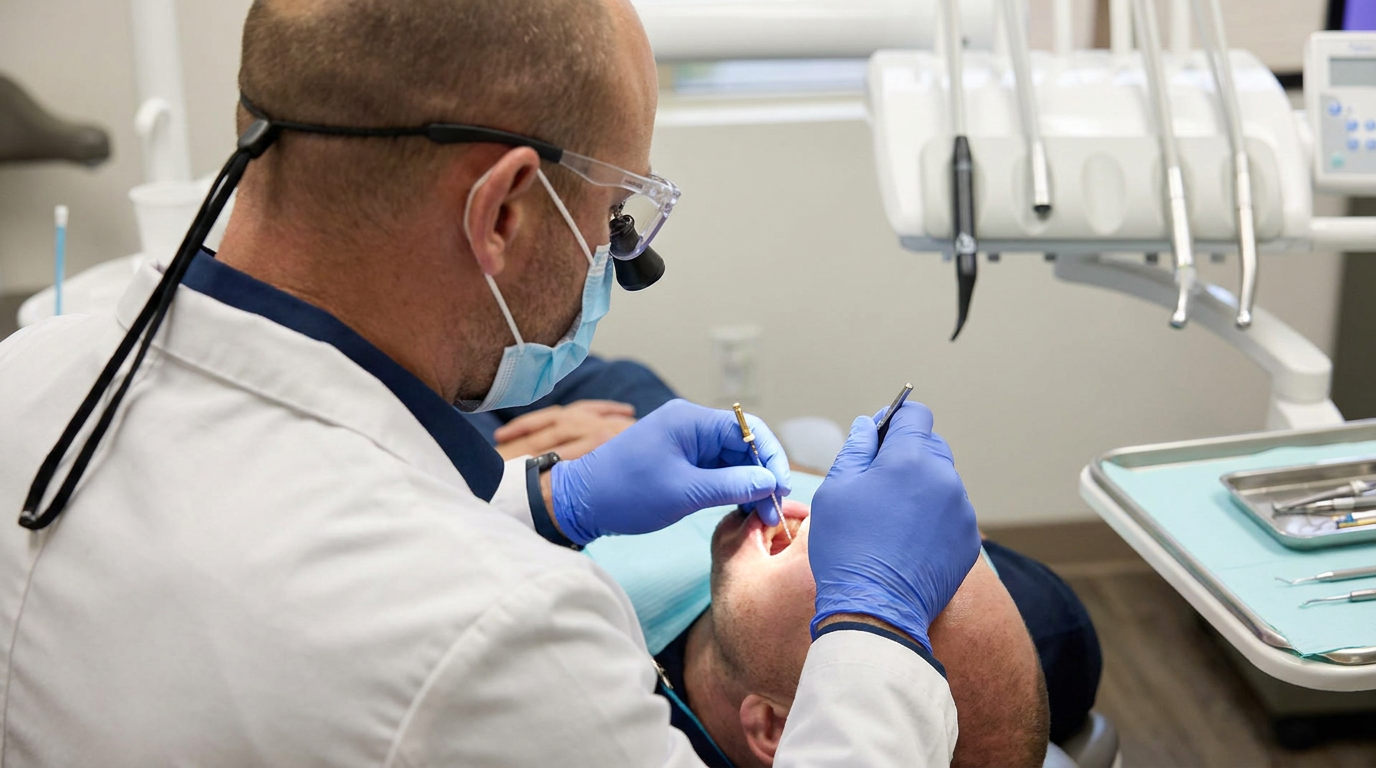
A dentist wearing a white lab coat, blue scrubs, a light blue face mask, and dental loupes works on a patient's tooth with a dental drill and other tools, while wearing blue gloves.

Is Root Canal Therapy Painful?

Many people associate root canal therapy with significant pain, but modern techniques and anesthesia have largely dispelled this misconception. The procedure itself is no more uncomfortable than having a filling, and its primary purpose is to relieve the intense pain caused by infection. Dr. Cory Fortson assured Ashley that she would be comfortable throughout.

Patients typically feel immediate relief from the throbbing pain that brought them to the dentist. While there might be some mild soreness or sensitivity for a few days after the procedure, this is easily managed with over-the-counter pain relievers. Ashley felt much better almost instantly after the first stage of her treatment.

Dr. Fortson emphasized that the pain experienced before the root canal is due to the infection, not the treatment. He explained that removing the source of the problem is what brings true, lasting comfort. He prioritizes patient comfort at Forston Dentistry - Milford.

A dentist wearing a white lab coat, blue gloves, a surgical mask, and dental loupes works on a patient's open mouth with dental tools.

What Happens After a Root Canal?

After root canal therapy is completed, the treated tooth will need a permanent restoration to protect it from fracture and restore its full function. Often, the tooth may become more brittle after treatment, especially if there was significant decay or a large filling previously. Ashley discussed her options with Dr. Cory Fortson for the final step.

A dental crown is typically recommended to encase the entire tooth, providing strength and protection. This ensures the tooth can withstand normal biting forces without breaking. Dr. Fortson discussed the benefits of a ceramic crown for Ashley's treated molar.

He also provided specific aftercare instructions, which included avoiding chewing on the treated tooth until the final restoration was placed. Regular brushing, flossing, and routine check-ups at Forston Dentistry - Milford are also essential for the longevity of the treated tooth. Ashley made sure to schedule her follow-up for the crown.

Post-Treatment Care

  • Permanent Restoration: Typically a crown to protect the tooth.
  • Avoid Chewing: Do not use the treated tooth until fully restored.
  • Oral Hygiene: Maintain excellent brushing and flossing habits.
  • Regular Check-ups: Continue routine dental examinations.
  • Report Concerns: Contact the office for any lingering pain or swelling.
Ashley sits on a purple couch, holding a blue ice pack to her cheek and smiling at a man sitting in a chair across from her in a sunlit living room.

Restoring Your Oral Health

Ashley returned for her follow-up appointment, no longer experiencing the debilitating pain that had initially brought her to Dr. Cory Fortson. The temporary filling had done its job, and now it was time for the final touch: a custom-fitted ceramic crown. Dr. Fortson carefully placed the crown, ensuring a perfect fit and natural appearance.

Ashley was delighted with the result, feeling her tooth was completely restored, both in function and aesthetics. Her experience highlights a crucial aspect of modern dentistry: root canal therapy is not a procedure to be feared, but rather a restorative treatment that offers profound relief and tooth preservation. It transformed Ashley’s discomfort into comfort, allowing her to enjoy eating and speaking without apprehension.

Dr. Fortson often reminds patients that saving a natural tooth, when possible, is always the best option for long-term oral health. The journey from agonizing pain to a fully functional, healthy tooth is a testament to the effectiveness of advanced endodontic care. Ashley left the office with a renewed sense of well-being, grateful for the expert care she received at Forston Dentistry - Milford. Her story is a common one, reflecting how timely intervention can prevent the loss of a tooth and restore peace of mind.

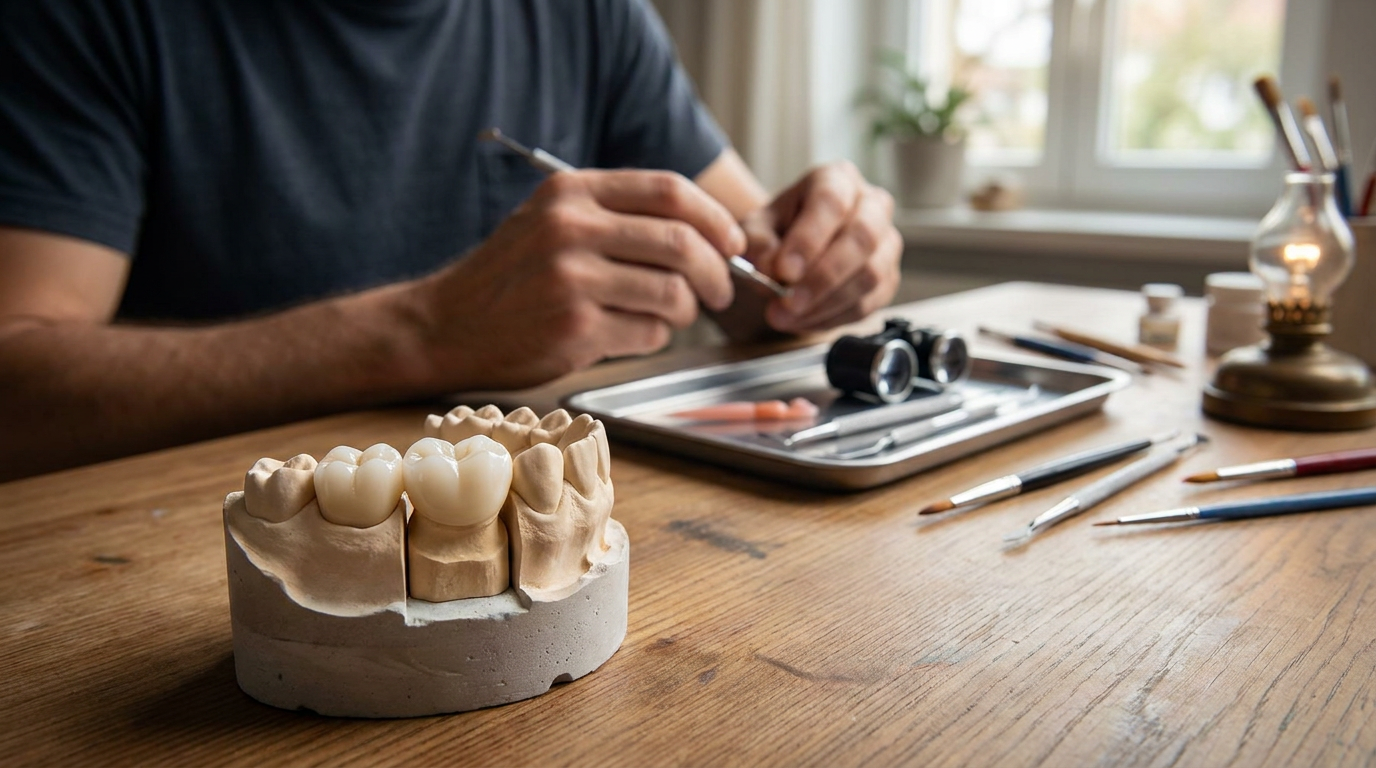
A person in a dark t-shirt uses a dental tool to work on a dental model on a wooden table, surrounded by brushes, a tray of tools, and a lit oil lamp.

FREQUENTLY ASKED QUESTIONS

1. What is root canal therapy?
Root canal therapy is a dental procedure designed to remove infected or inflamed pulp from inside a tooth. This treatment cleans and seals the tooth's root canals, eliminating pain and saving the natural tooth from extraction. It's an effective way to restore tooth health.

2. How long does a root canal procedure take?
The duration of a root canal procedure varies depending on the tooth's complexity and the extent of infection. Generally, it can take one to two appointments, each lasting between 60 to 90 minutes. Dr. Cory Fortson will advise you on the expected timeline during your consultation.

3. Will I need a crown after a root canal?
Most teeth that undergo root canal therapy benefit greatly from a crown afterward. The crown provides essential protection, restoring the tooth's strength and preventing fractures. Dr. Cory Fortson will assess your specific tooth to determine if a crown is necessary for its long-term health.

4. Is a root canal better than tooth extraction?
In most cases, saving your natural tooth with root canal therapy is preferable to extraction. Preserving your own tooth helps maintain proper chewing function, keeps adjacent teeth from shifting, and avoids the need for more complex and costly restorative procedures like implants or bridges.

5. How do I know if I need a root canal?
Common signs you might need a root canal include severe toothache, prolonged sensitivity to hot or cold, tenderness when chewing, and swollen gums near the affected tooth. If you experience any of these symptoms, it's important to schedule an evaluation with Dr. Cory Fortson promptly.

6. What can I expect during recovery?
After root canal therapy, it's normal to experience some mild sensitivity or soreness for a few days, which can typically be managed with over-the-counter pain medication. You should avoid chewing on the treated tooth until a permanent restoration, usually a crown, is placed.

Related Blog Posts

Stay Informed with Expert Insights & Tips About Dental Care

Your Cosmetic Dentist in Milford, MI

Discover how cosmetic dentistry can help you achieve a stunning, confident smile through personalized solutions like teeth whitening and veneers.

7.9.2026
READ MORE

What to Expect During a Dental Cavity Filling

Understanding the dental cavity filling process from detection to aftercare demystifies treatment and promotes better oral health.

7.9.2026
READ MORE

What to Expect From Dental Crowns in Milford

Dental crowns are essential for restoring damaged teeth, providing strength, protecting against further decay, and enhancing smile aesthetics.

7.9.2026
READ MORE