Understanding Dental Crowns

Dental crowns are caps placed over damaged teeth to restore their strength, shape, size, and appearance. They essentially encase the entire visible portion of a tooth above the gum line, providing a strong, protective barrier for compromised teeth. Many patients in Milford choose crowns to prolong the life of their natural teeth.

Crowns become necessary when a tooth is too damaged for a filling, inlay, or onlay but can still be saved. This damage might stem from extensive decay, a fracture, or previous dental work like a large filling that has weakened the tooth structure. At Forston Dentistry - Milford, Dr. Cory Fortson often recommends crowns to shore up teeth, prevent further issues, and improve oral function.

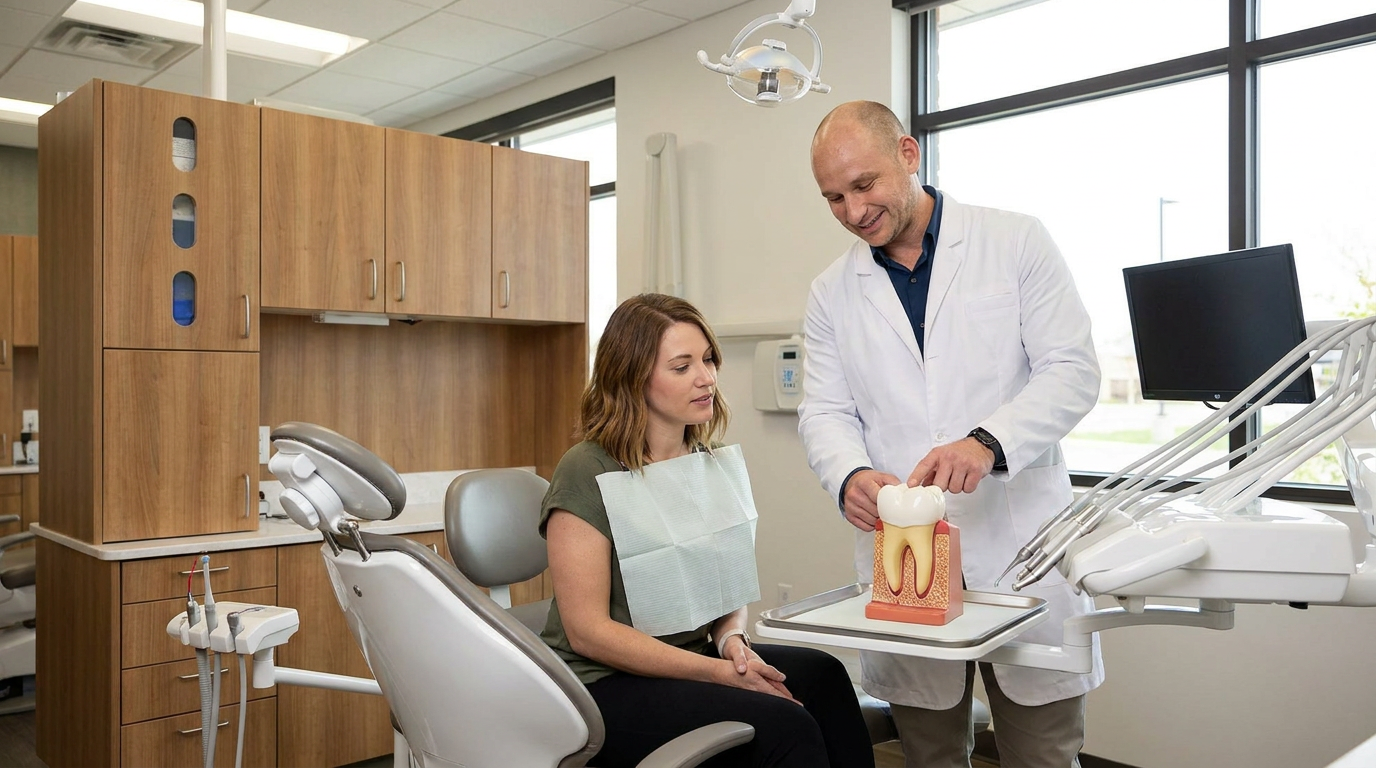
Dr. Cory Fortson, discusses the benefits of dental crowns with Natalie, inside a modern dental office.

When Are Dental Crowns Necessary?

Dental crowns are typically necessary for teeth with significant damage that cannot be effectively repaired by fillings or other restorations. This includes teeth with large cavities, fractures, or those that have undergone root canal therapy, which can make a tooth more brittle and prone to breaking.

Dr. Cory Fortson evaluates each patient's unique situation to determine if a crown is the best solution. Crowns serve multiple critical functions beyond mere aesthetics. He can significantly strengthen a compromised tooth, protecting it from further decay or fracture, and he can also restore bite alignment.

Here are common scenarios where a dental crown is recommended:

  • Protecting a weak tooth: A crown can hold a cracked tooth together, preventing it from breaking further.
  • Restoring a broken or severely worn tooth: Crowns meticulously restore the original shape and function of a tooth.
  • Covering and supporting a tooth with a large filling: When there isn't much tooth left, a crown provides necessary reinforcement.
  • Holding a dental bridge in place: Crowns act as anchors for bridges, ensuring stability.
  • Covering discolored or poorly shaped teeth: Crowns offer a uniform, natural appearance, enhancing your smile.
  • Covering a dental implant: A crown serves as the visible, functioning tooth portion atop a dental implant.
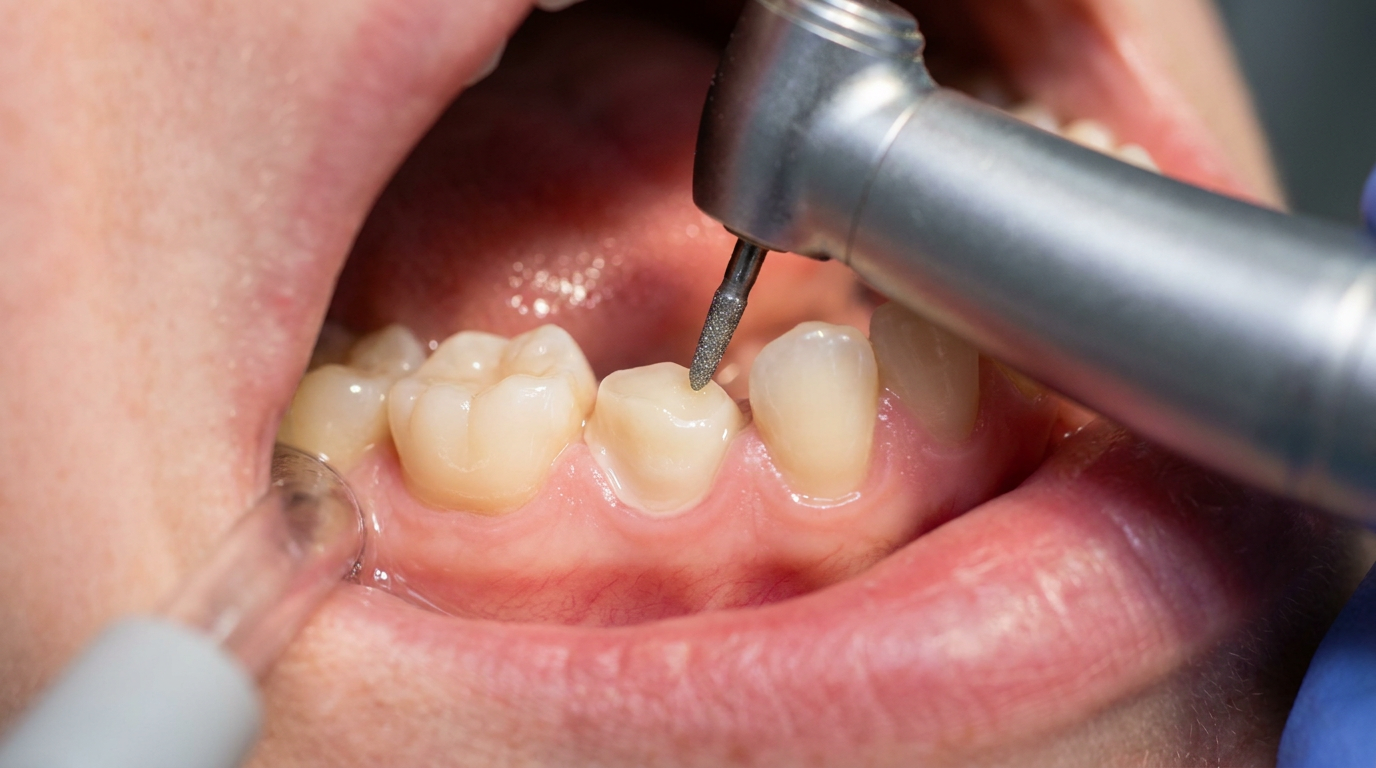
A close-up of a patient's open mouth shows a molar being prepared for a dental crown, with the tooth slightly reshaped and clean.

Types of Dental Crowns Offered

Forston Dentistry - Milford offers various types of dental crowns, primarily ceramic crowns, designed to blend seamlessly with your natural teeth. These options provide both durability and a highly aesthetic finish, allowing Dr. Cory Fortson to choose the best material for your specific needs and preferences.

The choice of crown material depends on factors such as the tooth's location, the patient's bite, and aesthetic considerations. During your consultation, Dr. Cory Fortson will discuss the pros and cons of each type, helping you make an informed decision for your restorative dentistry needs.

Common materials used for crowns include:

  • Ceramic Crowns: These are popular for their natural appearance and are ideal for front teeth. They are metal-free and can be matched precisely to the color of your adjacent teeth. Forston Dentistry - Milford specifically offers ceramic crowns for their aesthetic benefits.
  • Porcelain-fused-to-metal (PFM) Crowns: These offer a strong, durable base with a porcelain exterior. They combine the strength of metal with the aesthetics of porcelain, making them a versatile choice for both front and back teeth.
  • Zirconia Crowns: Known for their exceptional strength and biocompatibility, zirconia crowns are an excellent option for back teeth where chewing forces are significant. They also provide a natural look, though typically not as translucent as pure ceramic.
A detailed ceramic dental crown sits perfectly on a small plastic tooth model, showcasing its natural shine and color match to the adjacent teeth.

The Dental Crown Placement Process

The dental crown placement process at Forston Dentistry - Milford typically involves two appointments. The first visit prepares the tooth and takes impressions, while the second visit involves the permanent placement of your custom-made crown, ensuring a comfortable and precise fit.

During the first appointment, Dr. Cory Fortson will numb the area and then carefully reshape the tooth, removing any decay and ensuring there’s enough space for the crown. After shaping, he will take precise impressions of your tooth and surrounding teeth. These impressions are sent to a dental lab, where your custom crown is meticulously fabricated to match the color and shape of your existing teeth. You will receive a temporary crown to protect your prepared tooth while the permanent one is being made.

Approximately two weeks later, you'll return for your second appointment. Dr. Fortson will remove the temporary crown and then carefully check the fit and appearance of your new permanent crown. Once both you and Dr. Fortson are satisfied, he will cement the crown into place using a strong dental adhesive, providing you with a durable and natural-looking restoration.

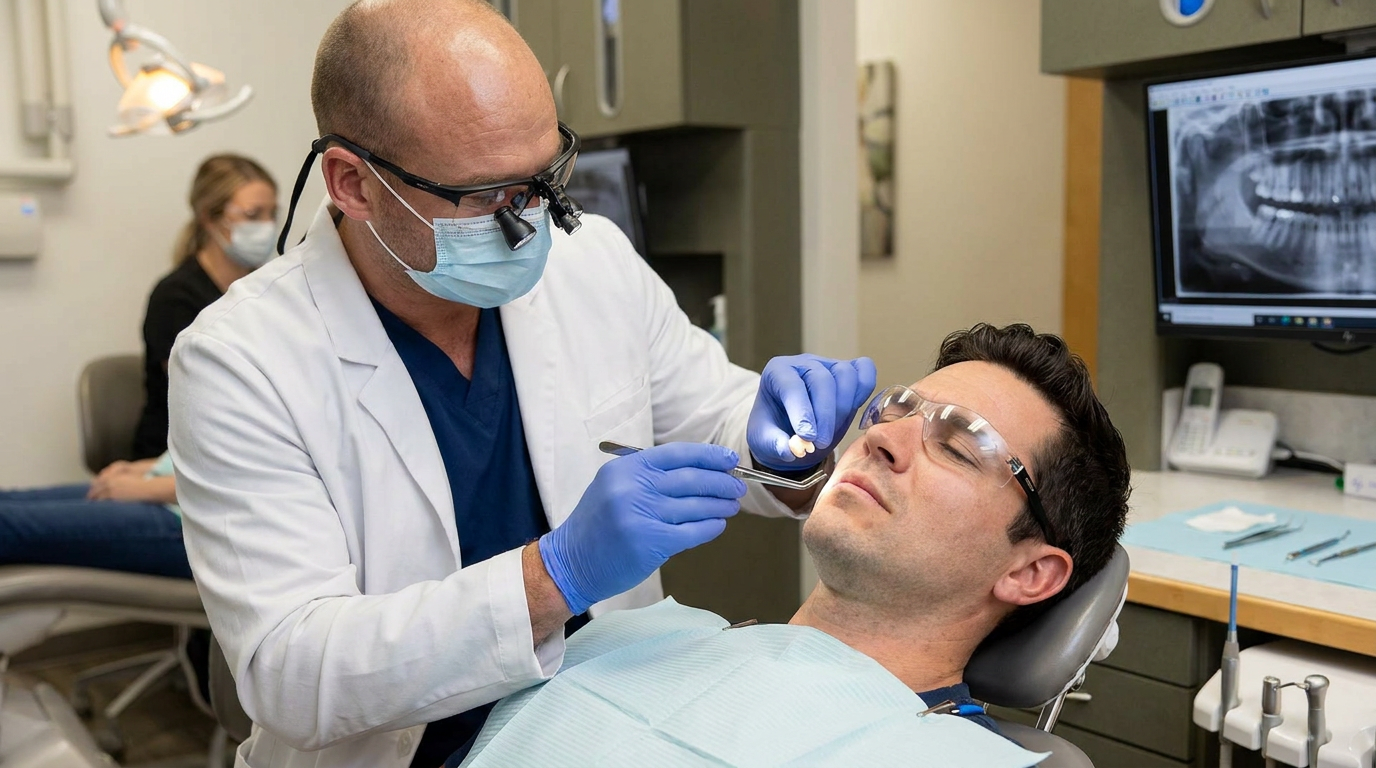
Dr. Cory Fortson, carefully places a temporary dental crown onto a patient's prepared tooth during the first appointment, ensuring a snug fit.

Schedule Your Crown Consultation

If you're considering a dental crown or suspect you might need one, contact Forston Dentistry - Milford today. Dr. Cory Fortson will evaluate your oral health and discuss the best restorative options for you. Visit our website or call us to book your appointment.

What to Expect During Recovery

After your dental crown is placed, initial recovery is generally quick, with most patients experiencing mild sensitivity or discomfort for a few days. Dr. Cory Fortson will provide specific post-procedure care instructions to ensure a smooth and effective recovery period.

It's common to feel some tenderness around the crowned tooth immediately after the procedure, especially once the local anesthetic wears off. This sensitivity should subside within a few days. If you experience lingering pain or discomfort, or if your bite feels off, it's important to contact Forston Dentistry - Milford so Dr. Cory Fortson can assess the situation.

Key aspects of recovery and care include:

  • Managing Discomfort: Over-the-counter pain relievers can effectively manage any initial soreness. Dr. Fortson might also recommend specific rinsing solutions.
  • Temporary Sensitivity: It's normal to experience sensitivity to hot or cold temperatures for a few days after the crown is cemented.
  • Dietary Adjustments: Initially, avoid sticky or hard foods to protect the newly placed crown, especially during the adjustment period.
  • Oral Hygiene: Continue your regular brushing and flossing routines. Pay particular attention to the gum line around the new crown to prevent gum disease.
  • Follow-Up: A follow-up appointment might be scheduled to check the crown's fit and ensure your bite is comfortable and balanced.
Natalie, gently touches her cheek with a thoughtful expression while looking at a glass of water on her nightstand in a softly lit bedroom, contemplating her recent dental crown placement.

How Long Do Dental Crowns Last?

With proper care, dental crowns can last anywhere from 5 to 15 years, and sometimes even longer. The longevity of your crown depends heavily on your oral hygiene, dietary habits, and avoidance of habits like teeth grinding, all of which Dr. Cory Fortson emphasizes.

The material of the crown also plays a role in its lifespan; for instance, ceramic crowns are highly aesthetic but can be more prone to chipping than certain metal or zirconia options if subject to extreme forces. Regardless of the material, maintaining excellent oral hygiene—brushing twice daily, flossing daily, and attending regular check-ups and professional cleanings at Forston Dentistry - Milford—is crucial for maximizing the life of your crown. Avoiding habits like chewing ice or using your teeth to open packages will also significantly extend its durability.

An antique clock displaying 5 to 15 years, positioned next to a beautifully restored ceramic dental crown on a wooden block, symbolizing the expected lifespan of a well-maintained crown.

Maintaining Your Dental Crown

Maintaining your dental crown requires the same diligent oral hygiene practices you apply to your natural teeth, ensuring its longevity and overall oral health. Consistent care, as advised by Dr. Cory Fortson, is essential to prevent complications and keep your crown looking and functioning its best.

A dental crown, while durable, is not indestructible and still requires attention to prevent decay at the crown's margin or gum disease around the crowned tooth. Adhering to a robust oral hygiene routine, including regular professional dental visits, will help protect your investment and maintain your overall dental health.

Effective maintenance strategies include:

  • Brushing Twice Daily: Use a soft-bristled toothbrush and fluoride toothpaste to clean the crown and surrounding teeth thoroughly.
  • Daily Flossing: Floss around your crown just as you would your natural teeth to remove plaque and food particles from between teeth and beneath the gum line.
  • Regular Dental Check-ups: Visit Dr. Cory Fortson at Forston Dentistry - Milford for routine comprehensive exams and cleanings. These appointments allow him to inspect your crown and address any potential issues early.
  • Avoid Hard and Sticky Foods: Minimize consumption of overly hard candies, ice, and sticky foods that could potentially dislodge or chip your crown.
  • Protect Against Grinding: If you grind your teeth, Dr. Fortson may recommend a night guard to protect your crown and natural teeth from excessive wear.
A woman's hand, Zoe, uses dental floss around a neatly placed ceramic crown on a lower molar, demonstrating good oral hygiene.

What This Means for You

Choosing to get a dental crown is a proactive step towards preserving your oral health and enhancing your smile. Whether you have a tooth that is severely decayed, fractured, or has undergone root canal therapy, a crown provides a strong, aesthetic, and functional solution. At Forston Dentistry - Milford, Dr. Cory Fortson and his team are dedicated to guiding you through every step of this process, from initial consultation to final placement and beyond. He takes the time to thoroughly explain your options, ensuring you feel confident and informed about your treatment plan.

Understanding the different types of crowns, the placement procedure, and how to properly care for your new restoration is key to a successful outcome. With our expertise and your commitment to good oral hygiene, your dental crown can serve you well for many years, helping you maintain a healthy and vibrant smile. If you are in Milford, MI, and believe you might benefit from a dental crown, we encourage you to schedule a consultation with Dr. Cory Fortson. We look forward to helping you achieve optimal dental health.

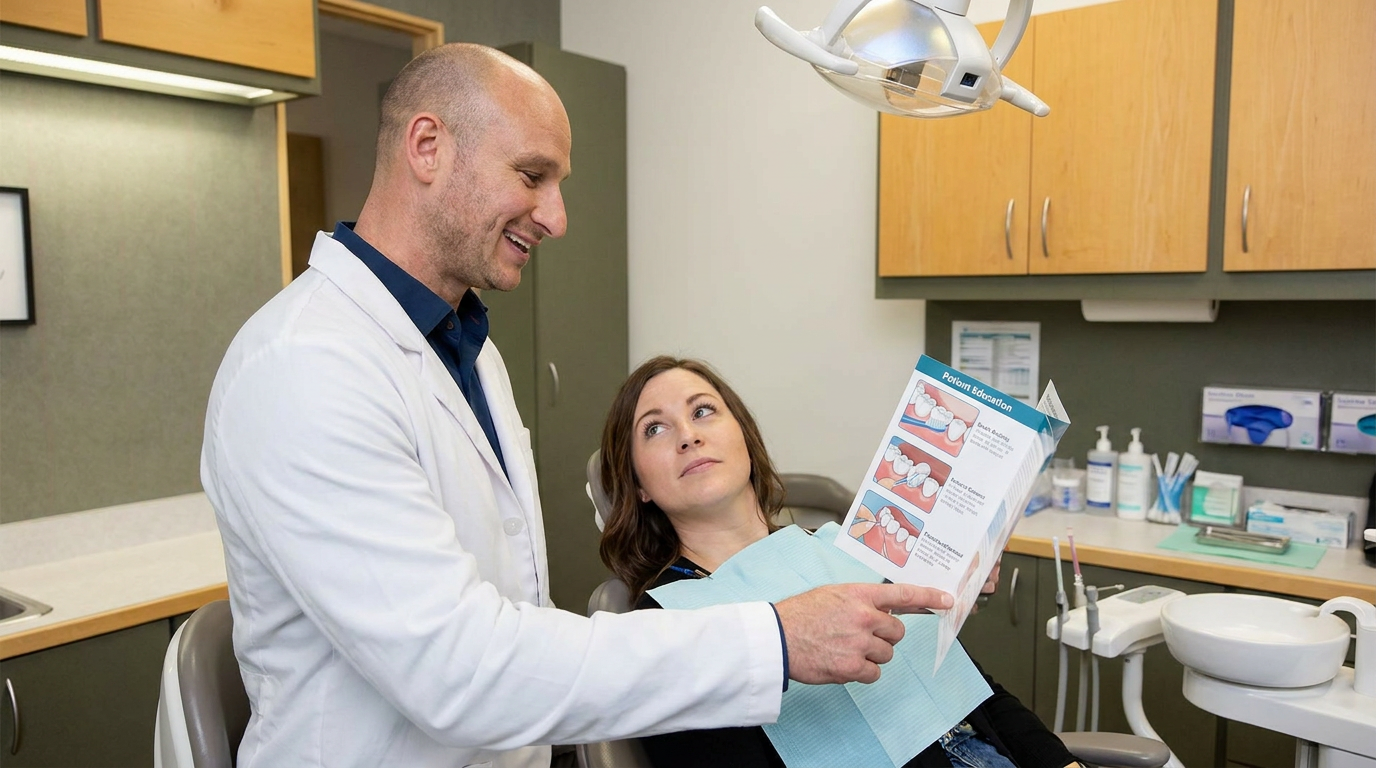
Dr. Cory Fortson, explains crown maintenance to Hannah, who is seated in a dental chair.

FREQUENTLY ASKED QUESTIONS

1. What exactly is a dental crown?
A dental crown is a tooth-shaped cap placed over a damaged tooth to restore its strength, size, shape, and improve its appearance, essentially encasing the entire visible portion.

2. How long does it take to get a dental crown?
Typically, the process for a traditional crown involves two appointments spaced about two weeks apart, allowing time for the custom crown to be fabricated.

3. Will getting a dental crown be painful?
Dr. Cory Fortson uses local anesthetic during the procedure, so you should not feel pain. Mild sensitivity after the appointment is normal and manageable with over-the-counter pain relievers.

4. Can a dental crown get a cavity?
Yes, decay can still occur at the gum line of a crowned tooth if proper oral hygiene is not maintained. Regular brushing, flossing, and dental check-ups are crucial.

5. How do I care for my new dental crown?
Treat your crown like a natural tooth: brush twice daily, floss daily, and attend regular check-ups and cleanings with Dr. Cory Fortson.

6. What materials are used for crowns at your practice?
Forston Dentistry - Milford primarily offers ceramic crowns for their natural appearance and durability, as well as porcelain-fused-to-metal and zirconia options.

7. Is a dental crown covered by insurance?
Many dental insurance plans offer partial coverage for dental crowns. Our team can help you understand your benefits during your consultation.

8. What happens if my temporary crown falls off?
If your temporary crown falls off, contact Forston Dentistry - Milford immediately. Keep the crown if possible and Dr. Cory Fortson will advise you on the next steps.

9. Can crowns fix cosmetic issues?
Yes, crowns can cover discolored, poorly shaped, or severely stained teeth, significantly improving the aesthetic appearance of your smile.

10. How do I know if I need a dental crown?
If you have a deeply decayed, fractured, or heavily filled tooth, Dr. Cory Fortson can determine if a dental crown is the appropriate restorative solution during a comprehensive dental exam.

Related Blog Posts

Stay Informed with Expert Insights & Tips About Dental Care

Your Cosmetic Dentist in Milford, MI

Discover how cosmetic dentistry can help you achieve a stunning, confident smile through personalized solutions like teeth whitening and veneers.

7.9.2026
READ MORE

What to Expect During a Dental Cavity Filling

Understanding the dental cavity filling process from detection to aftercare demystifies treatment and promotes better oral health.

7.9.2026
READ MORE

Cosmetic Dentistry Options in Milford, MI

Milford residents: Discover cosmetic dentistry options! Dr. Cory Fortson helps you achieve a confident smile makeover.

6.2.2026
READ MORE