1. Is a cavity filling painful?
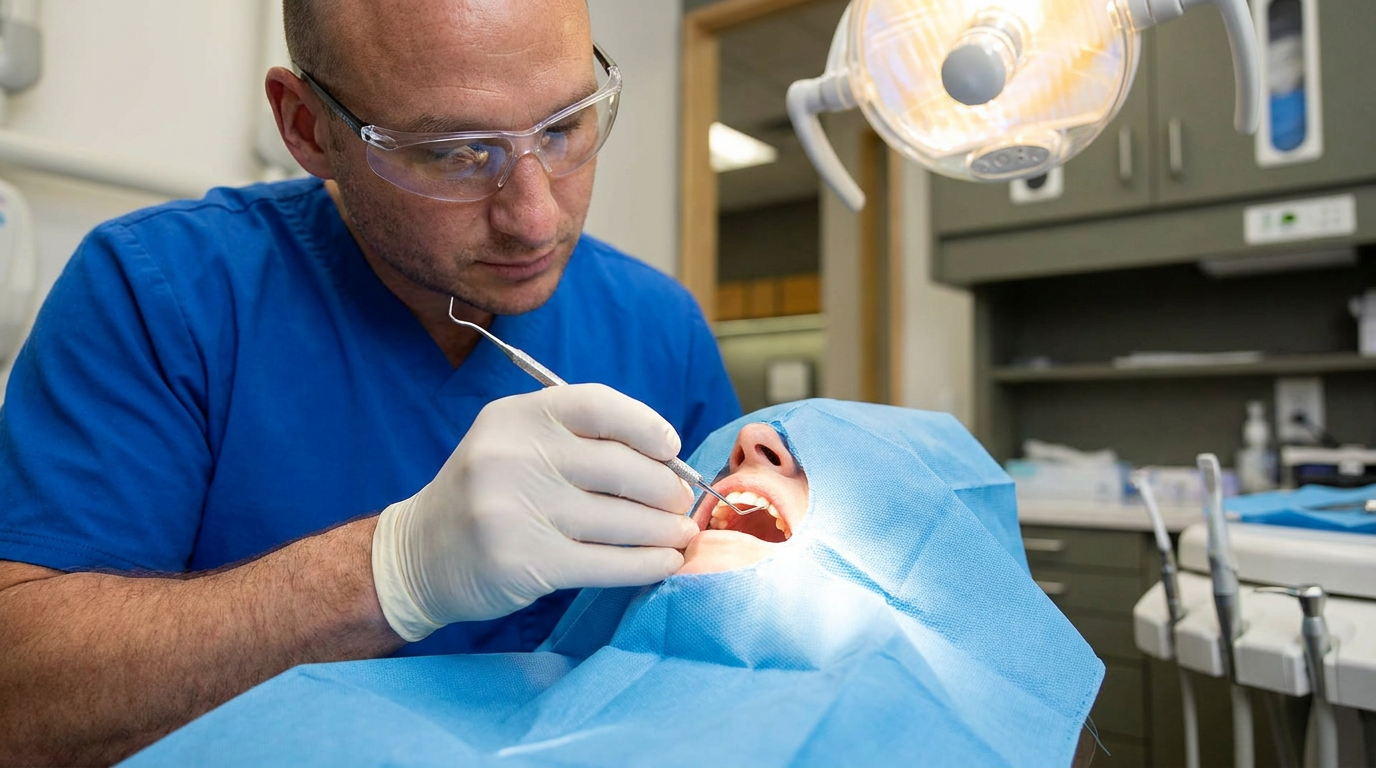
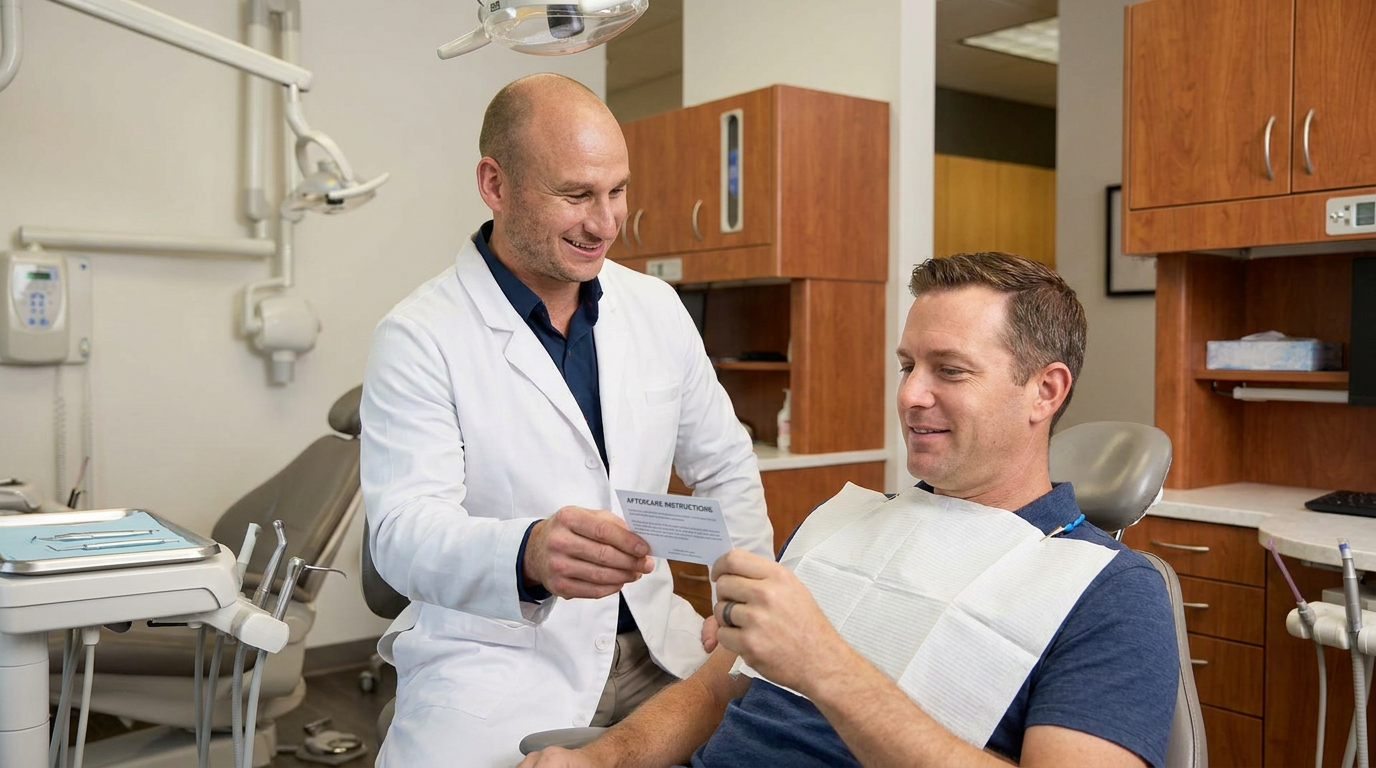
Dr. Cory Fortson always ensures patients are comfortable. He uses local anesthesia to entirely numb the area around the tooth before beginning the procedure. Patients typically feel no pain during the filling, only slight pressure or vibration.
2. How long does a dental cavity filling take?
A basic dental cavity filling typically takes about 20 to 60 minutes from start to finish. The exact time depends on the size and location of the cavity, as well as the chosen filling material.
3. Can fillings be replaced?
Yes, dental fillings can be replaced if they become worn, chipped, or start to leak. Dr. Cory Fortson can assess the condition of an old filling during a routine check-up and recommend replacement if necessary.
4. What is the difference between composite and amalgam fillings?
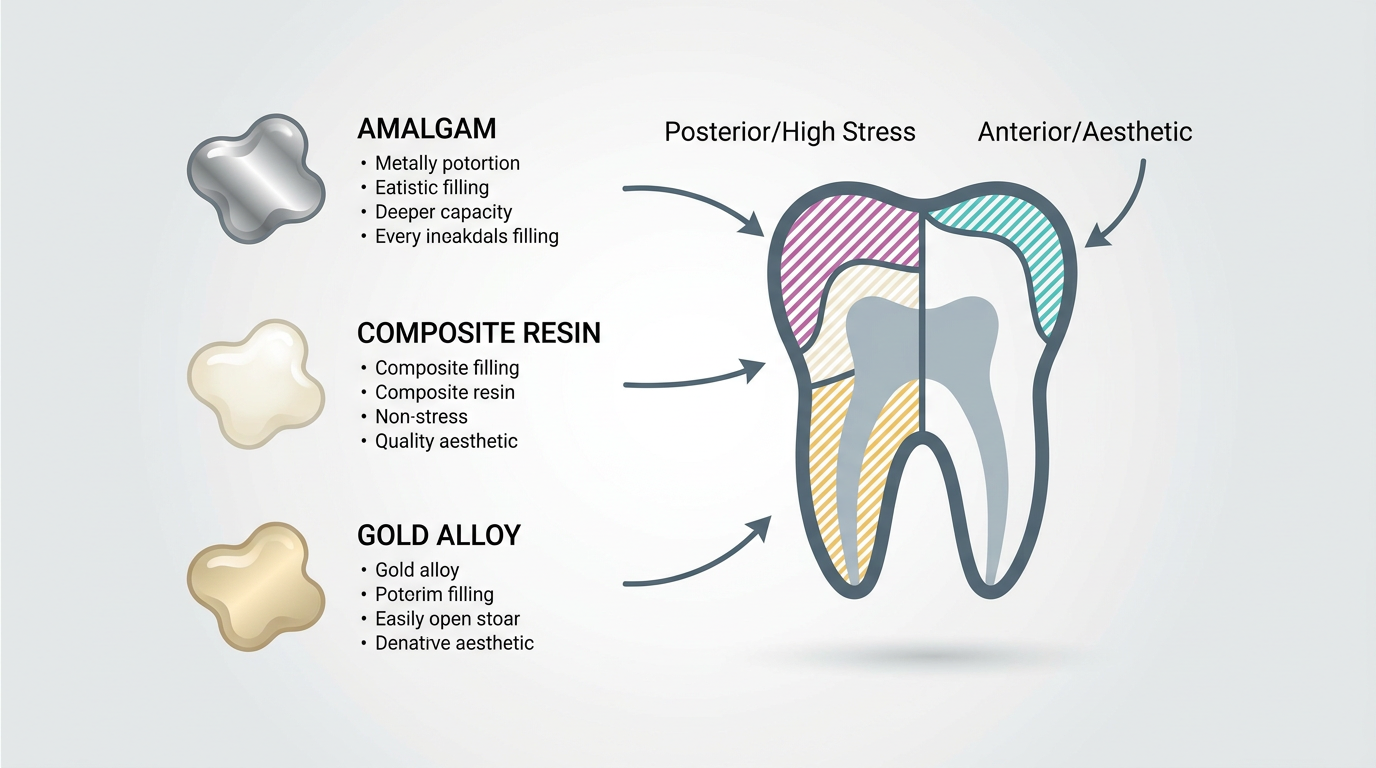
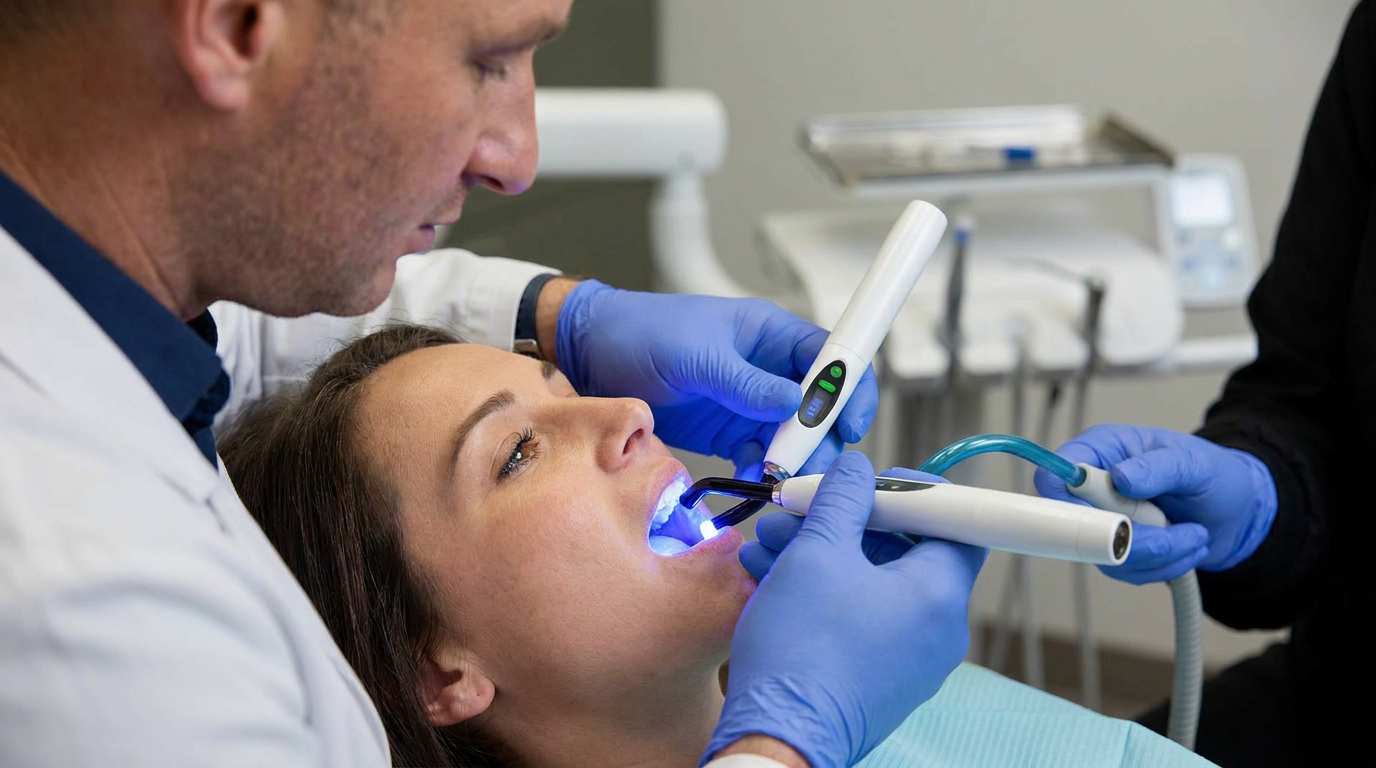
Composite fillings are tooth-colored and made from a resin material, blending naturally with your smile. Amalgam fillings are silver-colored, made from a mixture of metals, and are known for their durability. Dr. Cory Fortson will discuss the best option for you.
5. How do I care for my new filling?
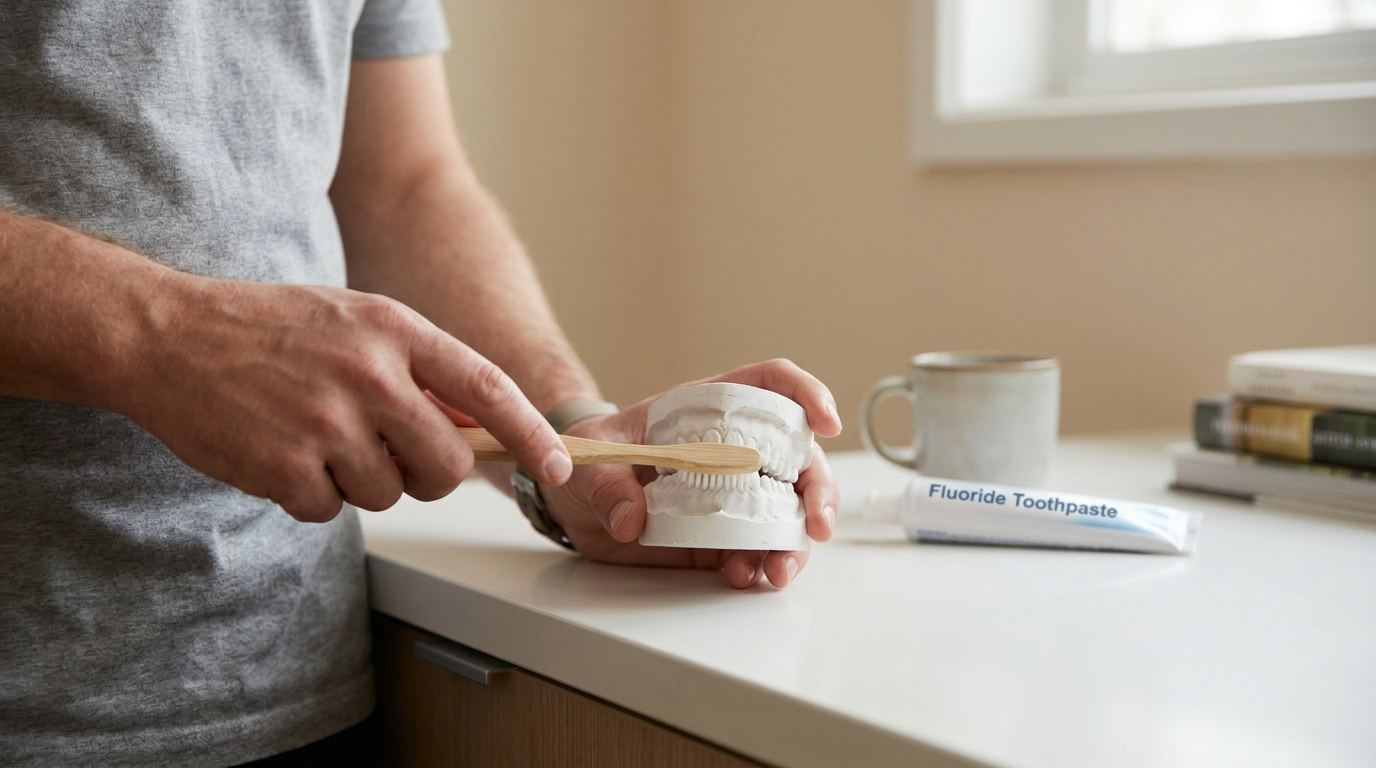
Caring for your new filling involves maintaining good oral hygiene. Dr. Cory Fortson advises brushing twice daily, flossing once a day, and continuing with regular dental check-ups and cleanings.
6. Should I avoid certain foods after a filling?
After a filling, especially if local anesthetic was used, Dr. Cory Fortson recommends avoiding eating until the numbness wears off to prevent accidentally biting your cheek or tongue. For the first 24 hours, it's wise to avoid very hard or sticky foods.